
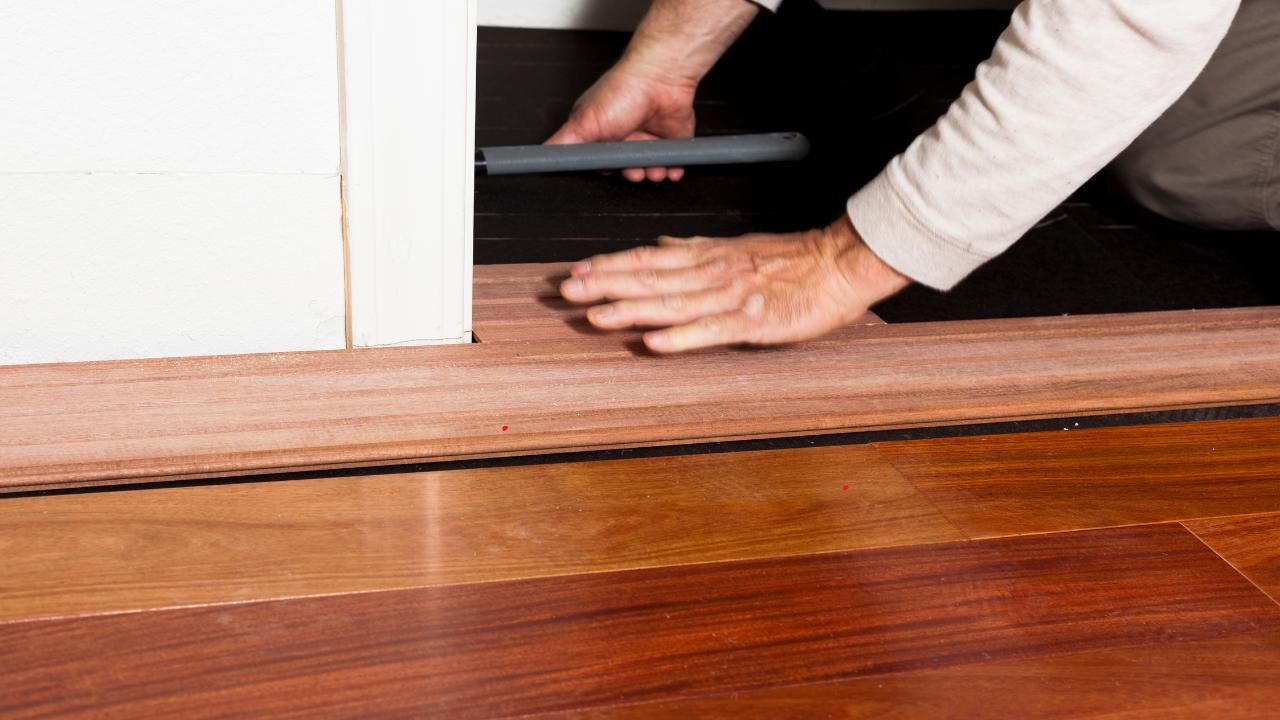
5 Common Mistakes to Avoid During Hardwood Floor Installation
Installing hardwood floors is an exciting step toward enhancing your home's beauty and value. However, it’s a process that requires attention to detail, and even small missteps can lead to big headaches. Whether you’re tackling it yourself or hiring a professional, understanding potential pitfalls can save you time, money, and stress.
In this blog, we’ll discuss five common mistakes people make during hardwood floor installation and how you can avoid them to achieve stunning, long-lasting results.
1. Skipping Moisture Testing
One of the most overlooked steps in hardwood floor installation is testing the moisture levels of the subfloor and the hardwood itself. Wood is sensitive to changes in humidity, expanding when it’s damp and contracting when it’s dry. Failing to account for this can lead to warped or buckled floors down the line.
What to Do Instead:
Use a moisture meter to test both the subfloor and hardwood before installation.
Allow the wood to acclimate in the room for at least 48–72 hours to adjust to the local environment.
This simple step ensures your floors stay stable, even in Portland's fluctuating coastal climate.
2. Ignoring Subfloor Preparation
A poorly prepared subfloor can cause your hardwood floors to squeak, shift, or even crack over time. Yet, many DIYers rush through this critical step or assume the existing floor is good enough.
Key Subfloor Prep Tips:
Clean thoroughly to remove debris, dust, and moisture.
Check for and repair any uneven spots; even small dips or bumps can cause issues.
Ensure the subfloor is properly secured and completely dry.
Taking the time to create a solid foundation will make all the difference in the durability of your floors.
3. Using the Wrong Installation Method
Hardwood floors can be installed using various methods, including nail-down, glue-down, and floating. Choosing the wrong approach for your specific type of wood or subfloor can lead to uneven surfaces or weakened stability.
How to Choose the Right Method:
Nail-Down: Best for solid hardwood and plywood subfloors.
Glue-Down: Ideal for engineered hardwood and concrete subfloors.
Floating: A versatile option, especially for click-lock engineered floors.
When in doubt, consult with a hardwood flooring contractor to determine the best method for your situation.
4. Neglecting Expansion Gaps
Wood naturally expands and contracts with temperature and humidity changes. Without proper expansion gaps around the room’s perimeter, your floors may buckle or lift over time.
How to Avoid This Mistake:
Leave a ¾-inch gap between the flooring and walls during installation.
Use spacers to ensure consistent spacing throughout the room.
While this may seem minor, it’s a vital detail that can significantly extend the life of your hardwood floors.
5. Rushing the Finish
When the finish is applied too quickly or under the wrong conditions, it can lead to uneven results, bubbles, or peeling. This often happens when people rush to complete the project without letting the flooring settle or properly preparing the surface.
Finish Like a Pro:
Allow the flooring to sit undisturbed for a few days before sanding and applying the finish.
Ensure the room is free from dust and has adequate ventilation.
Apply the finish in thin, even coats, letting each layer dry thoroughly.
Patience is key, taking your time here will give your floors a professional-grade shine and lasting protection.
Final Thoughts
Avoiding these common mistakes can save you from frustration and costly repairs. Whether you’re going the DIY route or working with a pro, careful planning and attention to detail are essential for success.
If you’re considering hardwood floor installation in Portland ME, contact our team for expert guidance and flawless results. Let’s make your vision a reality, reach out today!