
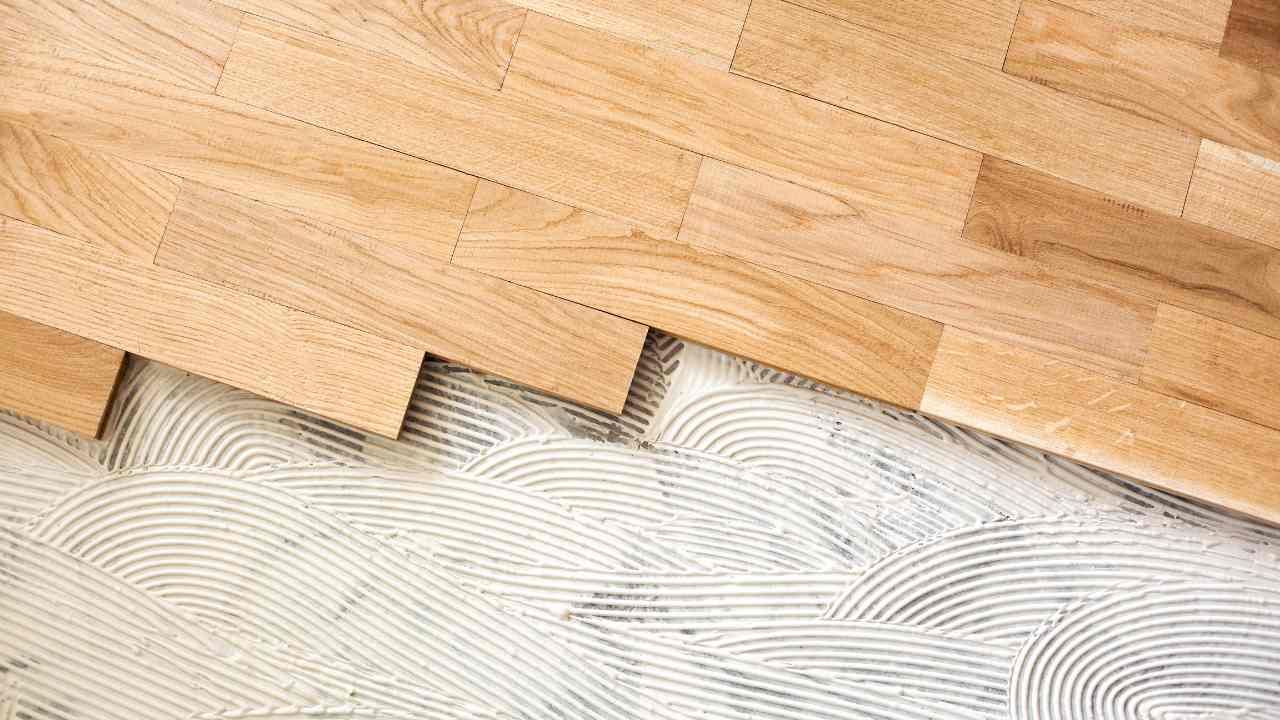
How to Prep Subfloor for Hardwood in Portland, ME: A Step-by-Step Guide
Prepping your subfloor is a crucial step before installing hardwood flooring. Whether you're a DIY enthusiast or hiring professionals, understanding the process ensures a smooth and durable hardwood floor that will last for years. In this guide, we'll walk you through the steps to properly prepare your subfloor, tailored specifically for homeowners in Portland, ME 04101.
1. Assess Your Subfloor Type
Before you start, it's important to identify what type of subfloor you have. The most common types are plywood and concrete. Each requires a different approach to preparation.
Plywood Subfloor: Typically found in wood-framed homes, plywood is a stable and easy-to-work-with material. However, it may need repairs or leveling before installation.
Concrete Subfloor: Common in basements and some newer homes, concrete requires thorough cleaning and moisture testing before hardwood can be installed.
2. Check for Moisture
Moisture is the enemy of hardwood flooring. Portland's humid climate can pose challenges, so it's essential to ensure your subfloor is dry. Use a moisture meter to check the levels. For plywood, the moisture content should be below 12%, while for concrete, it should be under 3%.
Concrete Moisture Test: Conduct a calcium chloride test or use a moisture meter to determine if your concrete subfloor is ready for hardwood. If the moisture content is too high, consider using a vapor barrier or sealant.
Plywood Moisture Check: If your plywood subfloor has a high moisture content, use a dehumidifier or wait until levels drop before proceeding.
3. Repair Any Damage
A smooth, level subfloor is essential for a successful hardwood installation. Check your subfloor for any damage, such as cracks, loose boards, or uneven areas.
For Plywood Subfloor: Secure any loose boards with screws and sand down high spots to create a level surface. Replace any damaged sections of plywood to avoid future problems.
For Concrete Subfloor: Fill cracks with a concrete patching compound and use a leveling compound to fix uneven areas.
4. Clean the Subfloor Thoroughly
Dirt, dust, and debris can interfere with the installation process, leading to an uneven floor. Make sure your subfloor is clean before you start laying down the hardwood.
Vacuum and Sweep: Start by vacuuming and sweeping the entire subfloor to remove loose dirt and dust.
Damp Mop (for Concrete): For concrete subfloors, consider using a damp mop to clean the surface. Make sure the subfloor is completely dry before proceeding.
5. Install a Vapor Barrier (If Needed)
A vapor barrier is an essential step, especially in Portland’s climate. It helps protect your hardwood floor from moisture that can seep up through the subfloor.
Concrete Subfloor: Always install a vapor barrier over concrete. Use a polyethylene sheet or a specific moisture barrier product recommended for hardwood flooring.
Plywood Subfloor: While not always necessary, adding a vapor barrier can be beneficial, particularly in areas prone to moisture.
6. Lay the Underlayment
Underlayment is a thin layer of material that provides cushioning, sound reduction, and additional moisture protection. It also creates a smooth surface for the hardwood to rest on.
Choose the Right Underlayment: Depending on your hardwood flooring type, choose an appropriate underlayment. Cork, foam, and rubber are popular choices.
Install the Underlayment: Roll out the underlayment across the subfloor, making sure it covers the entire area. Tape the seams together for a seamless layer.
7. Call in the Professionals (If Needed)
Prepping a subfloor can be a challenging task, especially if your subfloor requires significant repairs or moisture control. If you're unsure about any step in the process, consider reaching out to hardwood flooring services in Portland, ME. A professional can ensure that your subfloor is perfectly prepared, setting the stage for a beautiful and long-lasting hardwood floor.
Conclusion
Prepping your subfloor is the foundation for a successful hardwood floor installation. By following these steps, you can ensure that your hardwood flooring project in Portland, ME, starts off on the right foot. Whether you choose to do it yourself or hire a professional, a well-prepared subfloor will help you enjoy your beautiful new hardwood floors for years to come.
Ready to start your hardwood flooring project? Contact local hardwood flooring experts today to ensure your floors are installed with precision and care.