The Hidden Danger to Your Hardwood Floors And How to Stop It
A hardwood flooring contractor knows that hardwood floors are a timeless investment, adding warmth and elegance to any home. But what if we told you that an invisible threat is slowly damaging your beautiful floors, one that many homeowners overlook? That hidden danger is humidity.
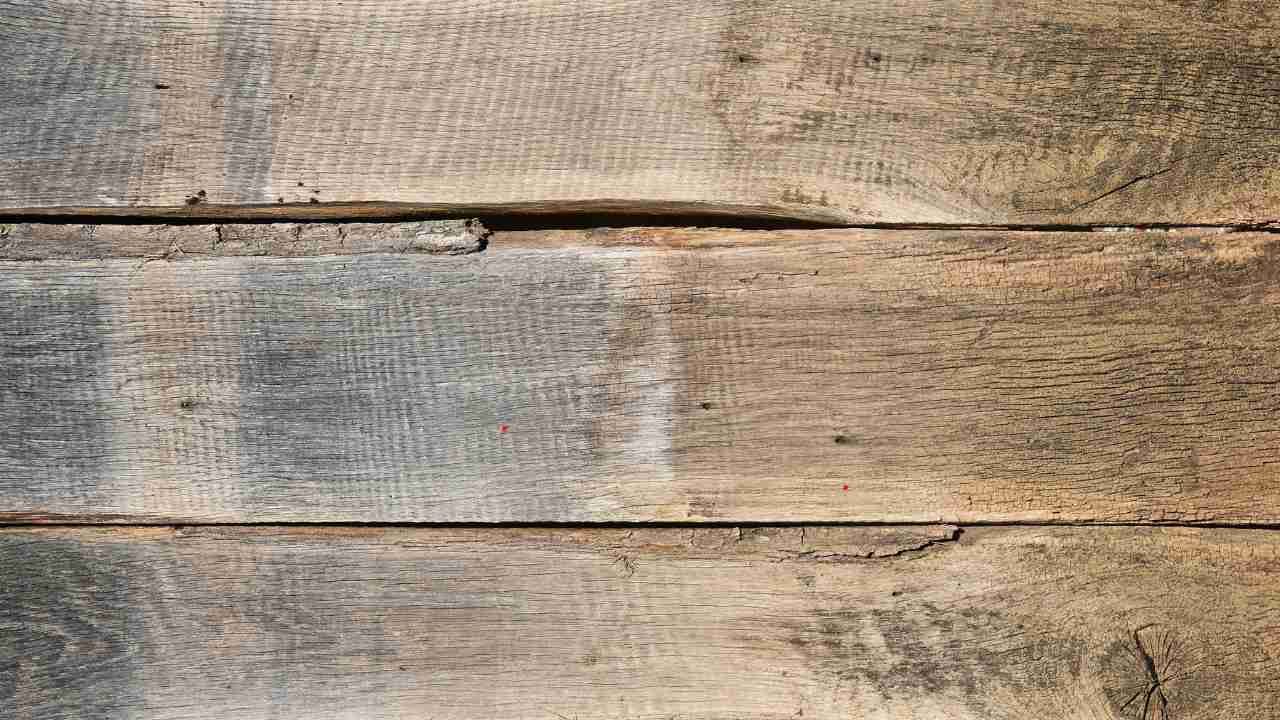
Too much moisture in the air can cause hardwood planks to swell and warp, while too little can lead to cracks and gaps. Left unchecked, humidity fluctuations can shorten the lifespan of your floors and leave you with costly repairs. Fortunately, there are simple steps you can take to protect your hardwood floors year-round.
How Humidity Affects Hardwood Floors
Hardwood is a natural material that expands and contracts depending on the moisture in the air. When humidity levels fluctuate, your floors respond accordingly:
High Humidity (Above 50%) → Causes wood to absorb moisture, leading to warping, buckling, and cupping.
Low Humidity (Below 30%) → Dries out the wood, making it shrink and develop cracks or gaps between planks.
Seasonal changes, heating systems, and ventilation all play a role in how much humidity your floors are exposed to. If left unregulated, these shifts can cause permanent damage that may require extensive repairs or even a full flooring replacement.
Signs Your Hardwood Floors Are in Trouble
How can you tell if your hardwood floors are suffering from humidity issues? Watch out for these warning signs:
✅ Gaps forming between planks – A sign of low humidity causing shrinkage.
✅ Buckling or swelling boards – Usually happens in high humidity conditions.
✅ Creaking or excessive movement – Indicates loose boards due to shrinking.
✅ A wavy or uneven surface – Can result from prolonged moisture exposure.
If you notice any of these issues, it’s time to take action to protect your floors.
Case Study:
A homeowner in a coastal area noticed their hardwood floors were buckling and creaking during the humid summer months. After consulting a flooring specialist, they discovered that the humidity levels in their home were consistently above 60%, causing the wood to swell. By installing a dehumidifier and improving ventilation, they were able to stabilize the humidity levels and prevent further damage. This quick action saved them from costly repairs and preserved the beauty of their floors.
How to Stop Humidity from Destroying Your Hardwood Floors
The good news? Preventing humidity-related damage is completely manageable with the right approach. Here’s what you can do:
1. Use a Hygrometer to Monitor Humidity
A hygrometer is a small device that measures indoor humidity levels. Keep your home between 30-50% humidity to maintain the stability of your hardwood floors.
2. Install a Humidifier or Dehumidifier
During winter, heating systems can dry out the air, causing floors to shrink, using a humidifier can help restore moisture.
In the summer, high humidity levels can lead to swelling, using a dehumidifier will help maintain balance.
3. Improve Ventilation
Use exhaust fans in moisture-prone areas like bathrooms, kitchens, and basements.
Open windows on dry days to allow fresh air circulation.
Run an air conditioner to control humidity in warmer months.
4. Maintain Your HVAC System
Your heating and cooling system plays a big role in controlling indoor humidity. Change air filters regularly and schedule maintenance to keep your system running efficiently.
5. Clean Up Spills Immediately
Even small spills can seep into wood and cause damage. Wipe up water spills right away and avoid using excessive water when cleaning your floors.
6. Use Area Rugs & Mats
Placing rugs near entryways and high-traffic areas can help absorb excess moisture and prevent water from tracking onto your floors.
Protect Your Hardwood Floors Year-Round
Maintaining the right humidity level requires seasonal adjustments:
Winter: Use a humidifier to prevent floors from drying out and cracking.
Summer: Use a dehumidifier or air conditioning to reduce moisture levels.
By following these simple steps, you can preserve the beauty and longevity of your hardwood floors.
Need Expert Help? Call the Professionals
If your hardwood floors are already showing signs of damage, it’s best to consult a hardwood flooring specialist. Our team of experts can assess humidity-related issues and recommend the best solutions to keep your floors in top shape.
Ready to safeguard your hardwood floors? Contact D&T Hardwood Floors today for expert flooring solutions that last a lifetime.