
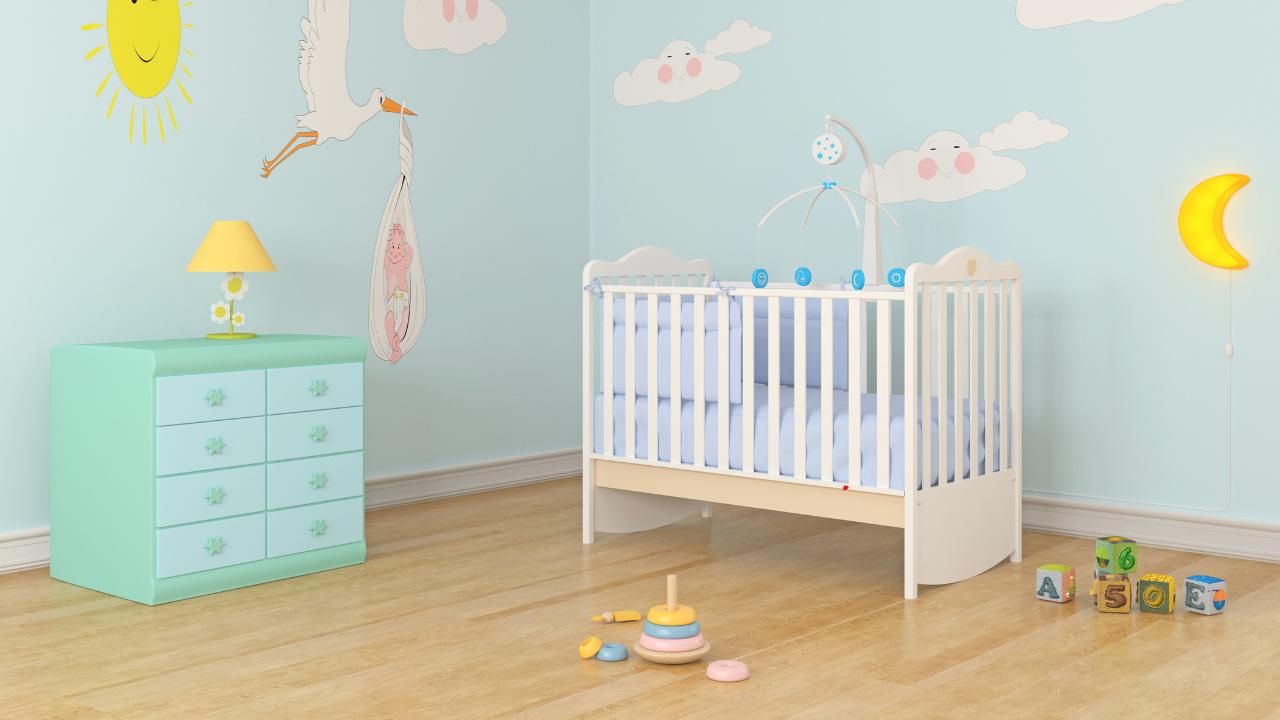
Are Hardwood Floors Safe for Nurseries? What Parents Should Know
If you're setting up a nursery, the flooring question hits hard. You want something beautiful, safe, and easy to clean, but you also don't want to second-guess every choice. Hardwood floors often come up in the conversation, and many parents aren’t sure whether they’re the right fit. A quick talk with a Portland Maine hardwood flooring contractor or another seasoned flooring pro can clear things up, and companies like D&T Hardwood Floors often hear the same concerns from new parents.
In this guide, you’ll learn what really matters when choosing hardwood for a nursery, what risks are often overstated, and how to create a safe, cozy space without sacrificing style.
Why Hardwood Floors Appeal to Parents
Hardwood instantly makes a nursery feel warm and clean. Unlike carpet, it doesn’t trap dust, pollen, or pet dander; big wins for babies with developing respiratory systems. Many families also appreciate how durable hardwood is once properly sealed and maintained.
Parents often choose hardwood because:
It’s easy to wipe up spills and accidents
It doesn’t hold allergens
It pairs beautifully with any décor
It can last through multiple childhood stages
But loving the look isn’t the same as knowing it’s safe, and that’s where the details matter.
Are Hardwood Floors Safe for Babies?
Short answer: yes, as long as you take a few precautions. Hardwood is a solid nursery option, but you need to think beyond the surface.
1. Temperature and Comfort
Hardwood is cooler than carpet, which can be uncomfortable during colder months. The fix is simple: area rugs. A thick, non-slip rug softens the space, adds warmth, and cushions falls once your baby starts moving around.
2. Slips and Falls
Babies eventually turn into toddlers, and toddlers fall a lot. Hardwood doesn’t cause more accidents, but it can make the landing harder. That’s where rugs, foam play mats, and soft furniture placement make a real difference.
3. Noise Levels
Hardwood floors can amplify sound. If you’re worried about echoes or footstep noise during naptime, rug layering helps dampen sound instantly.
4. Indoor Air Quality
Modern hardwood finishes are low-VOC, meaning they release fewer harmful chemicals than older formulas. If the nursery is newly refinished, let the room air out for a couple of days before moving the baby in.
A Quick Case Study: A Real Nursery Upgrade
One couple wanted their nursery to feel easy to clean and adorable, but they worried wood floors would be unsafe. After consulting with a flooring specialist, they installed a natural oak hardwood and chose a thick, washable rug for the play area. Within months, they noticed fewer allergy symptoms compared to the carpeted rooms in their old home. The hardwood made nighttime cleanups easier, and the rug added enough softness for safe crawling and first steps. By the toddler years, the floor still looked new thanks to basic maintenance and protective felt pads under furniture.
How to Make Hardwood Even Safer for Your Nursery
If you decide hardwood is the right choice, a few smart steps make it even safer:
Seal the floors with a low-VOC finish
Add a non-slip rug and rug pad
Keep floors clean and dust-free
Use furniture pads to prevent scratches
Maintain stable humidity levels to avoid wood expansion
These small actions go a long way in creating a calm, secure space where your baby can grow and explore.
Final Thoughts
Hardwood floors aren’t just safe for nurseries, they can be an excellent choice when paired with soft surfaces and low-VOC finishes. With the right setup, you get beauty, durability, and a healthier environment for your baby.
Ready to upgrade your nursery flooring? Start by getting expert guidance from a local pro and build a space that feels good from day one. Contact us today.