
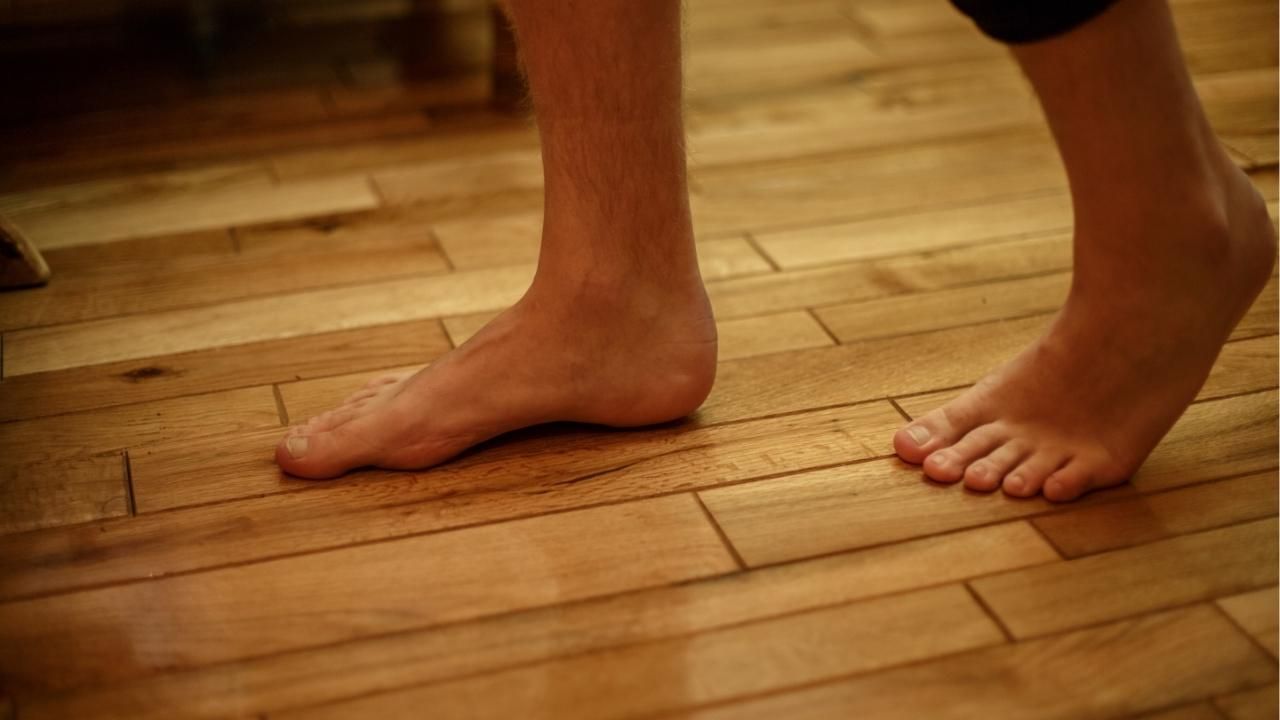
The Best Hardwood Finishes for Barefoot Comfort
There’s nothing quite like walking barefoot across a smooth hardwood floor. It’s warm, natural, and grounding in a way tile or carpet can’t match. But here’s the truth most homeowners overlook: the finish you choose matters just as much as the wood itself.
If you're working with a Portland Maine hardwood flooring contractor, you’ve probably already discussed color and plank style, but have you talked about comfort underfoot? The right finish can make your floors feel silky and inviting instead of cold or sticky.
Whether you're planning new installation or scheduling hardwood refinishing, understanding your options makes all the difference. Experienced flooring experts know that comfort isn’t just about softness, it’s about texture, temperature, and how the finish interacts with your lifestyle.
In this guide, we’ll break down the best hardwood finishes for barefoot living and help you choose one that feels as good as it looks.
Why Finish Type Impacts Comfort
When people think about hardwood finishes, they usually focus on shine. Glossy or matte? Light or dark? But comfort goes deeper than appearance.
The finish determines:
Surface smoothness
Heat retention
Moisture resistance
Slip resistance
Maintenance needs
Some finishes create a thick layer on top of the wood. Others soak in and enhance the grain naturally. That difference directly affects how your floors feel under bare feet.
Now let’s look at the finishes that consistently deliver the best barefoot experience.
Oil-Based Polyurethane: Durable but Slightly Firm
Oil-based polyurethane has been a long-time favorite for durability. It creates a strong protective layer that resists scratches and moisture.
Pros:
Extremely durable
Warm amber tone
Long lifespan
Cons:
Thicker surface feel
Longer drying time
Strong odor during application
For barefoot comfort, this finish feels smooth but slightly harder because it forms a firm coating on top of the wood. It’s excellent for high-traffic homes but may not feel as natural underfoot as other options.
If durability is your top priority, this finish performs. If comfort is the goal, you may want something softer and more organic.
Water-Based Polyurethane: Smooth and Lightweight
Water-based polyurethane offers a thinner, more flexible layer than its oil-based counterpart.
Pros:
Clear, non-yellowing finish
Faster drying time
Lower odor
Cons:
Slightly less warmth in tone
Can show scratches more easily
Under bare feet, this finish feels lighter and less heavy on the surface. It doesn’t build up as thick a coating, which creates a smoother glide when walking across the floor.
For homeowners who want a clean, modern look with solid comfort, this is often a balanced choice.
Hardwax Oil: The Most Natural Feel
If barefoot comfort is your main objective, hardwax oil stands out.
Unlike polyurethane, hardwax oil penetrates the wood rather than sitting on top of it. That means you actually feel the grain, not a plastic-like barrier.
Pros:
Soft, natural texture
Matte to satin appearance
Easy spot repairs
Cons:
Requires periodic maintenance
Not as water-resistant as poly
Walking across a hardwax oil floor feels warm and authentic. The surface has subtle grip, reducing slip while maintaining smoothness. For homes where comfort and natural aesthetics come first, this option delivers.
Satin and Matte Finishes: The Comfort Sweet Spot
Sheen level also plays a role in barefoot feel. High-gloss floors tend to feel slick and show every footprint. Satin or matte finishes offer a softer visual and physical experience.
They provide:
Less glare
Better traction
A warmer overall vibe
For families with kids, or anyone who enjoys walking barefoot daily, satin or matte is typically the smarter move.
A Real-World Example
One homeowner in coastal Maine wanted her 1920s oak floors restored but complained that they felt “cold and artificial” after a previous refinishing job. The earlier contractor had used a high-gloss oil poly.
During her next project, she switched to hardwax oil with a satin sheen. The difference was immediate. The floors felt warmer, less slippery, and more inviting. She mentioned that mornings felt cozier, especially during winter. Maintenance required a little more attention, but the comfort upgrade made it worthwhile.
Choosing What’s Right for You
Barefoot comfort comes down to three things:
Surface texture
Sheen level
Maintenance expectations
If you want maximum durability with moderate comfort, water-based polyurethane is a strong pick. If you want the most natural feel possible, hardwax oil wins.
Your floors should look beautiful, but they should also feel right every single day.
Before making a final decision, talk through your lifestyle, traffic levels, and maintenance preferences with a professional who understands both performance and comfort. If you're ready to upgrade your floors and want guidance tailored to your home, get in touch to explore the finish that will make every step feel better.