Why Businesses Are Switching to Hardwood Floors in Office Spaces
Walk into a modern office today and you’ll notice something different underfoot. Carpet tiles and vinyl are quietly being pushed aside, replaced by clean, confident hardwood floors. This shift isn’t about looks alone, it’s about performance, perception, and long-term value.
In this article, you’ll learn why hardwood flooring is becoming the smart choice for office spaces, how it supports productivity and branding, and what decision-makers should know before making the switch.
Hardwood Floors Signal Professionalism and Stability
First impressions matter, especially in business. When clients step into an office, the flooring sets the tone immediately. Hardwood floors communicate permanence, quality, and attention to detail in a way worn carpet never will.
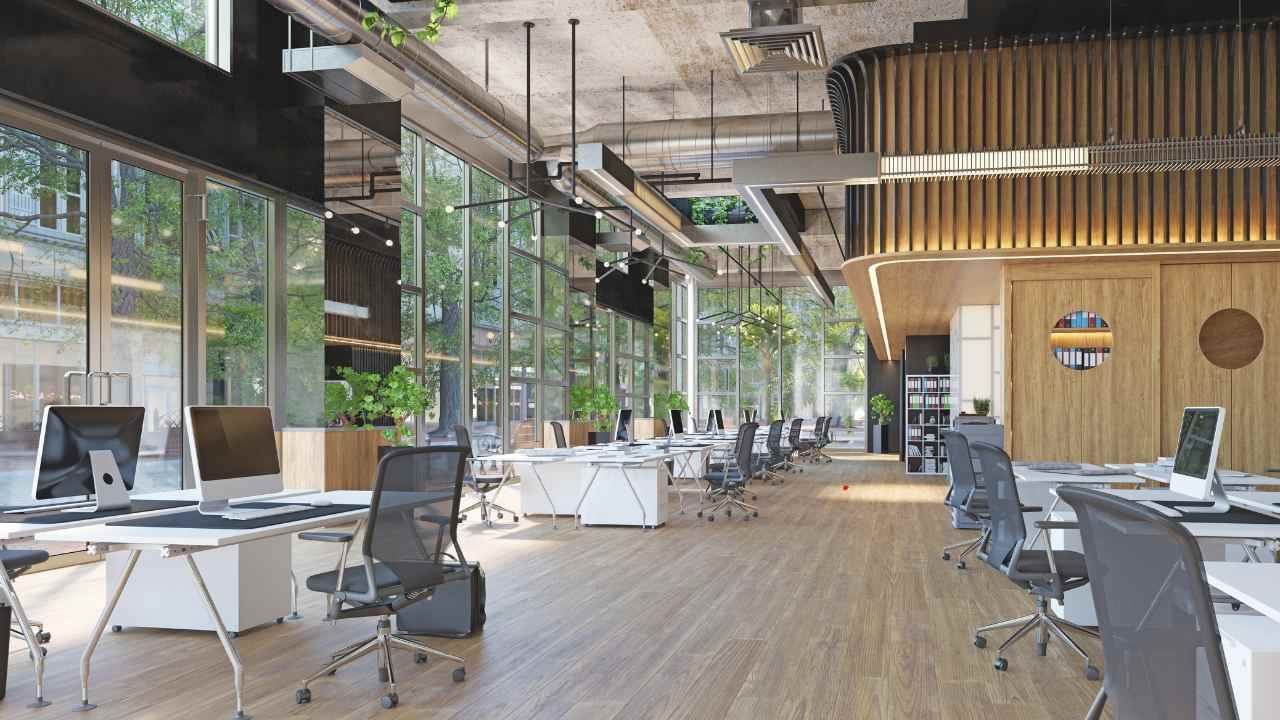
Many business owners working with a commercial flooring contractor in Portland Maine are choosing hardwood because it elevates their space without feeling cold or industrial. Paired with natural light and clean furniture, hardwood creates an environment that feels both professional and welcoming. Companies like D&T Hardwood Floors often see this choice driven by branding, not trends.
Lower Maintenance, Higher Long-Term Value
Carpet hides dirt until it doesn’t and then it looks terrible. Hardwood is honest. It shows when it needs care, but it’s also far easier to maintain. Daily cleaning is simple, spills don’t soak in, and allergens don’t get trapped in fibers.
Over time, hardwood wins on cost. It can be refinished instead of replaced, often lasting decades longer than soft flooring. Any experienced flooring expert will tell you the upfront investment pays off by reducing repair cycles, downtime, and replacement costs.
Healthier Workspaces Support Better Performance
Office air quality matters more than most businesses realize. Carpet collects dust, pollen, and bacteria, even with regular vacuuming. Hardwood floors don’t.
This makes them ideal for offices prioritizing employee wellness, especially in shared spaces and open-plan layouts. Cleaner air, fewer odors, and easier sanitation all contribute to fewer sick days and higher focus levels. It’s not flashy, but it’s practical, and it works.
Design Flexibility Without the Corporate Feel
Hardwood isn’t one look. From light oak to deep walnut, matte finishes to subtle textures, modern hardwood adapts to nearly any office style. Law firms, creative agencies, medical offices, and tech startups all use hardwood differently and effectively.
The key advantage is flexibility. Hardwood complements glass, steel, brick, and modern furniture without locking you into a dated aesthetic five years down the road.
Short Case Study: A Smart Office Upgrade
A mid-sized consulting firm recently renovated its downtown office to improve client experience and staff retention. Their old carpeted floors showed wear within three years, especially in high-traffic areas. After switching to hardwood, the space immediately felt brighter and more cohesive. Cleaning time dropped by 40%, and employees reported fewer allergy complaints. Clients began commenting on the office’s “polished” feel during meetings. Within six months, the firm had extended the same flooring style to conference rooms and executive offices, citing consistency and durability as the biggest wins.
The Bottom Line for Business Owners
Hardwood floors aren’t a design indulgence, they’re a strategic upgrade. They last longer, look better, and support healthier, more productive work environments. Businesses switching now aren’t chasing trends; they’re investing in spaces that reflect confidence and longevity.
If you’re planning an office renovation, now is the time to evaluate whether hardwood flooring aligns with how you want your business to be perceived today and ten years from now. To see samples or discuss your space with an expert, contact us today to start your transformation.