
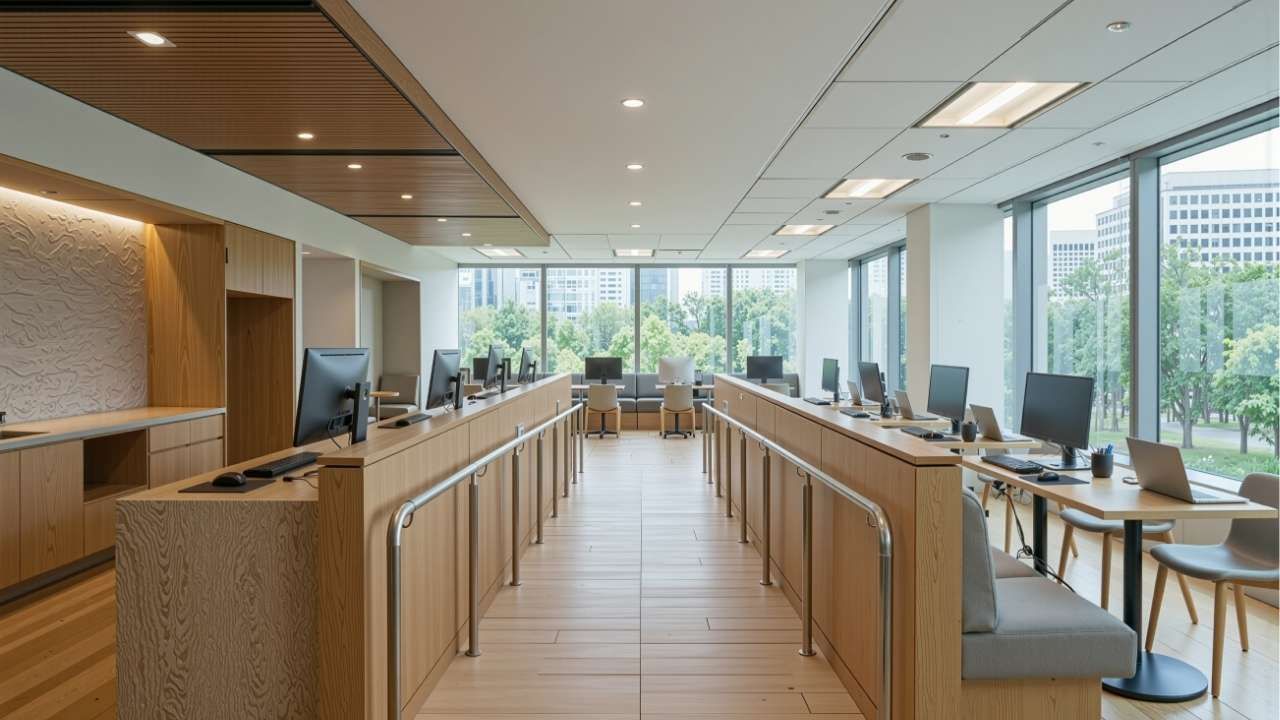
Cost-Effective Hardwood Flooring Solutions for Office Buildings
Hardwood flooring in an office used to scream “luxury budget only.” That’s no longer true. Today, smart material choices and better installation strategies make hardwood a practical option for many commercial spaces. The trick is knowing where to save, where to spend, and how to avoid expensive mistakes.
In this guide, you’ll learn how office buildings can use hardwood flooring without blowing the budget, what options deliver the best long-term value, and how to plan a project that holds up to daily foot traffic. Whether you’re upgrading a small office or managing a multi-floor building, these strategies are built for real-world use.
Choose the Right Type of Hardwood for Commercial Use
Solid hardwood looks great, but it’s often overkill for high-traffic commercial spaces. Engineered hardwood is usually the smarter play.
Engineered planks offer:
Better resistance to moisture and temperature changes
Lower material costs than solid wood
Faster installation, which reduces labor expenses
For offices working with a commercial flooring contractor in Portland Maine, engineered hardwood is often recommended because it balances appearance with durability while keeping costs predictable.
Install Strategically to Reduce Labor Costs
Installation is where budgets quietly explode. The flooring itself may be affordable, but complex layouts, custom patterns, and after-hours work drive labor costs up fast.
To stay cost-effective:
Use wider planks to cover more space with fewer pieces
Stick to straight-lay patterns instead of herringbone or chevron
Coordinate installation during normal business hours when possible
Working with professional hardwood installers who understand commercial timelines can save weeks of downtime and thousands in labor overruns.
Refinish Instead of Replace Whenever Possible
If your office already has hardwood floors, replacement is often unnecessary. In many cases, hardwood refinishing restores floors to near-new condition at a fraction of the cost of new materials.
Refinishing makes sense when:
The floor structure is still solid
Damage is cosmetic rather than structural
You want a fresh look without tearing up the space
This approach also minimizes disruption, which matters in active office environments where productivity can’t stop for weeks.
Plan for Durability, Not Just Looks
The biggest cost mistake offices make is choosing flooring based only on appearance. Commercial spaces need finishes that resist scratches, dents, and wear patterns.
Cost-smart durability tips:
Use matte or satin finishes to hide scuffs
Choose harder wood species like oak or maple
Apply commercial-grade sealants for added protection
These choices extend the floor’s lifespan, lowering long-term maintenance and replacement costs.
Case Study: A Mid-Size Office Upgrade That Paid Off
A 12,000-square-foot professional office wanted a warmer, more upscale look without exceeding budget. Instead of replacing their aging floors, they opted to refinish existing hardwood and install engineered planks in newly expanded areas. The project was phased to avoid closing the office, and wider planks reduced installation time. Total costs came in 28% lower than full replacement, and the updated floors increased tenant satisfaction while cutting ongoing maintenance expenses.
Final Thoughts: Think Long-Term Value
Hardwood flooring doesn’t have to be a premium-only upgrade for office buildings. When planned correctly, it’s a cost-effective investment that improves appearance, durability, and property value.
If you’re considering an office flooring upgrade, start by evaluating what you already have, choosing materials designed for commercial use, and get in touch with experts who understand business realities. Done right, hardwood floors can look sharp, last longer, and stay within budget, all at the same time.