
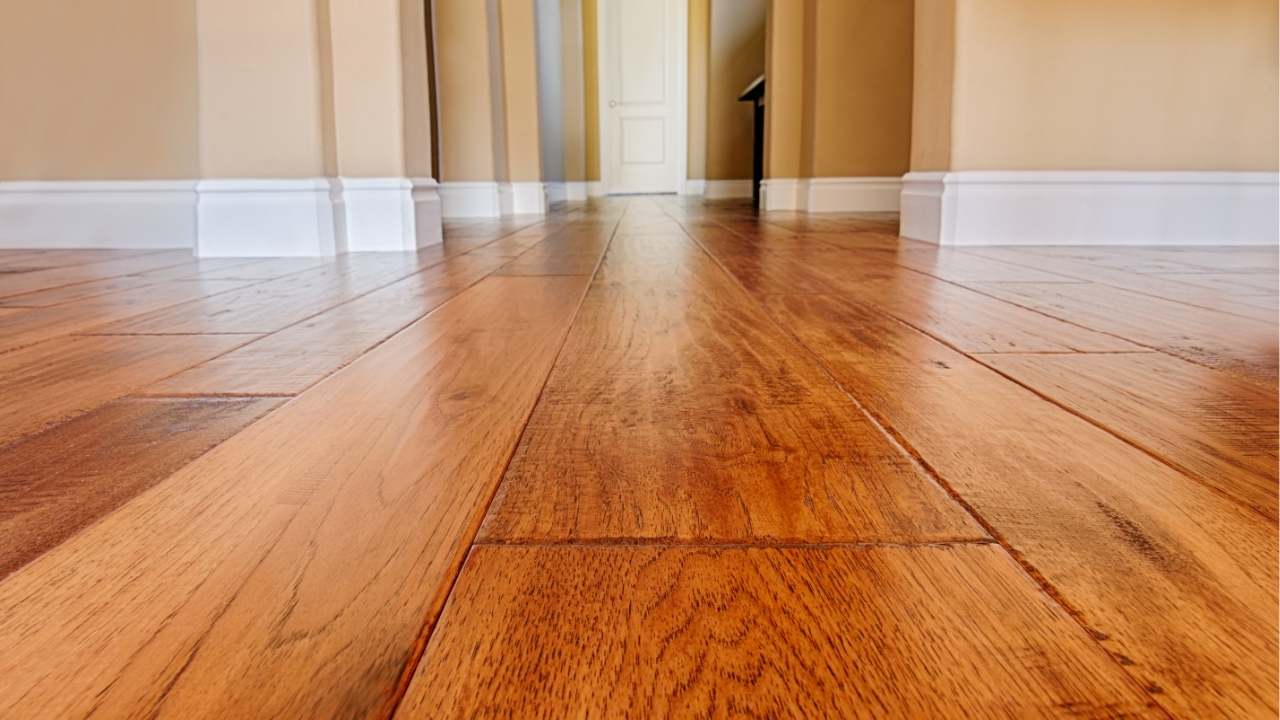
Hardwood Floor Refinishing in Maine: Signs, Process, and Benefits
Hardwood floors have a way of making a home or business feel warm, grounded, and timeless. But in Maine, where snowy boots, coastal moisture, grit, and daily foot traffic all leave their mark, even the best hardwood floors eventually need help.
In this guide, you’ll learn the key signs your floors need refinishing, what the process involves, and why restoring hardwood can be one of the smartest upgrades for your property.
When Your Hardwood Floors Are Asking for Attention
Hardwood does not usually fail overnight. It gives you warning signs first. The trick is knowing when those signs mean “clean me” and when they mean “refinish me.”
You may need refinishing if you notice:
Deep scratches that do not buff out
Gray or dull areas where the finish has worn away
Water stains from snow, spills, or humidity
Fading caused by sunlight
Rough patches underfoot
Boards that look uneven in color
High-traffic paths that appear bare or lifeless
For business owners, these issues matter even more because flooring affects how customers view your space. A commercial flooring contractor in Portland Maine can help determine whether your floors need light screening, full sanding, staining, or a complete restoration.
In homes, the same rule applies. If the wood still has good structure but the surface looks tired, hardwood refinishing in Portland can bring it back without the cost of full replacement. Experienced flooring experts can also spot deeper issues, such as moisture damage or worn finish layers, before they turn into expensive repairs.
What Happens During Hardwood Floor Refinishing?
Refinishing is more than making the floor look shiny again. It is a careful process that removes surface damage, smooths the wood, and protects it for years to come.
The process usually starts with an inspection. A professional checks the floor’s condition, thickness, stains, gaps, and problem areas. This step matters because not every floor should be sanded the same way.
Next comes sanding. This removes the old finish, scratches, and surface wear. Corners and edges are handled separately so the whole floor looks even.
After sanding, the floor is cleaned thoroughly. Dust left behind can ruin the finish, so this step should not be rushed.
Then comes staining, if you want to change or refresh the color. Some property owners prefer a natural look, while others choose richer tones to match updated interiors.
Finally, protective coats are applied. These seal the wood and help guard against moisture, traffic, and daily wear. Once the finish cures, the floor looks cleaner, stronger, and more polished.
Why Refinishing Is Worth It
One of the biggest benefits of refinishing is cost savings. Replacing hardwood can be expensive, especially when the existing wood still has life left in it. Refinishing allows you to preserve what you already have.
It also improves appearance immediately. A dull room can feel brighter and more inviting once the floors are restored.
There are practical benefits too:
Better protection against moisture and stains
Longer floor lifespan
Higher property appeal
Easier cleaning and maintenance
More consistent color and texture
For Maine properties, protection is especially important. Winter salt, wet shoes, and shifting indoor humidity can wear down wood faster than many people expect.
A Short Case Study: A Portland Office Gets Its Floors Back
A small Portland office had hardwood floors that looked gray, scratched, and uneven near the entrance. Staff assumed replacement was the only option. After inspection, the boards were still structurally sound, so the team chose refinishing instead. The floors were sanded, stained in a warm medium tone, and sealed with a durable commercial-grade finish.
The result changed the feel of the entire workspace. Clients noticed the cleaner look, employees said the office felt brighter, and the owner avoided the higher cost and downtime of full replacement.
How to Know If It Is Time
If your floors look worn but the boards are still solid, refinishing is likely worth considering. The sooner you address fading, scratches, and finish wear, the easier it is to protect the wood underneath.
Do not wait until bare wood is exposed everywhere or water stains spread deeper into the boards. At that point, the job can become more expensive.
A good hardwood floor does not need to be replaced every time it looks tired. With the right refinishing process, it can look beautiful again and continue serving your home or business for years.
Ready to bring worn hardwood floors back to life? Schedule a professional floor inspection and find out whether refinishing is the smarter move for your Maine property.