
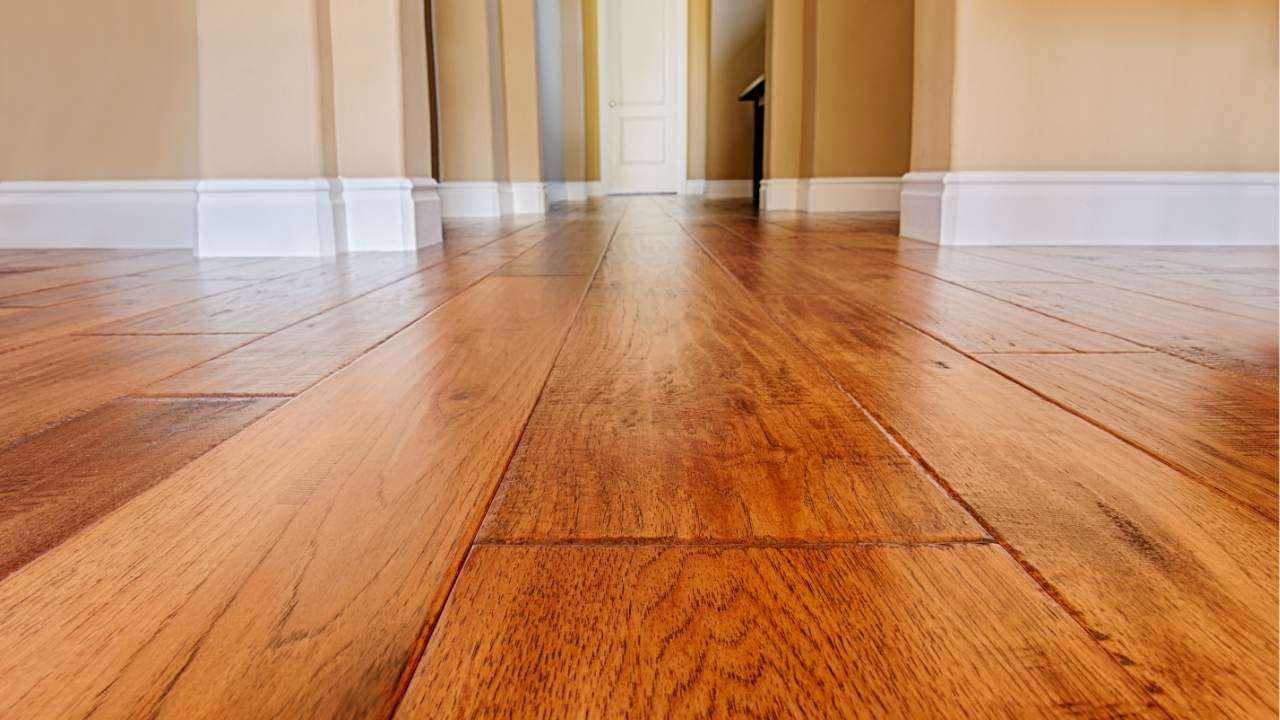
Hardwood Floor Staining: How to Choose the Right Color and Finish
Hardwood floors can change the entire mood of a home. The right stain can make a room feel warm, polished, bright, rustic, modern, or completely timeless. The wrong color, though, can make even beautiful wood feel out of place.
In this guide, you’ll learn how to choose a hardwood floor stain color, compare popular finishes, avoid common mistakes, and make smarter decisions before your flooring project begins. Whether you are updating one room or refinishing the entire home, a little planning goes a long way.
Start With the Style of Your Home
Before picking a stain, look at the home as a whole. Flooring should not feel like a separate design choice. It should connect naturally with your walls, cabinets, trim, furniture, and lighting.
If your home has a coastal or traditional New England feel, lighter stains often work well. Natural oak, warm beige, honey tones, and soft brown shades can keep rooms feeling open and relaxed. If the space leans modern, deeper espresso, walnut, or gray-brown tones may create a cleaner, more dramatic look.
Homeowners comparing options with a Portland Maine hardwood flooring contractor should also consider how local architecture influences the final choice. Older homes may look better with classic medium-brown stains, while newer spaces can often handle bolder or cooler tones.
Here are a few common stain directions:
Natural or clear stains: Best for showing the wood’s real grain and character
Light brown stains: Warm, flexible, and easy to decorate around
Dark stains: Elegant, rich, and formal, but more likely to show dust and scratches
Gray or whitewashed stains: Modern and airy, but not ideal for every wood species
Red or amber stains: Traditional and warm, though sometimes harder to match with newer décor
The goal is not to chase a trend. It is to choose a color that still looks right five or ten years from now.
Think About Wood Species and Grain
Not every stain looks the same on every hardwood. Oak, maple, pine, hickory, and cherry each absorb stain differently. That means a color you loved in a photo may look very different on your actual floor.
Oak is one of the easiest woods to stain because it has a strong grain and absorbs color well. Maple is trickier because it can stain unevenly if not prepared correctly. Pine can look charming and rustic, but it may show blotches without proper conditioning. Hickory has dramatic color variation, so the final look may be more active and textured.
This is why stain samples matter. Do not choose from a tiny color chart alone. Ask for test patches on your actual floor when possible. Look at them in the morning, afternoon, and evening because natural and artificial light can shift how the color appears.
Choose the Right Finish for Daily Life
Once the stain color is selected, the finish determines the sheen, protection, and overall feel. Finish is not just about looks. It affects maintenance, durability, and how forgiving the floor will be.
The most common sheen options include:
Matte: Soft, natural, and good at hiding small scratches
Satin: The most balanced option for many homes
Semi-gloss: Slightly shiny and more formal
Gloss: Very reflective, but shows dust, dents, and imperfections easily
For most households, satin is a safe and practical choice. It gives hardwood floors a clean appearance without looking too shiny. Matte finishes are also popular because they feel modern and hide everyday wear better.
Families with kids, pets, or heavy foot traffic should focus on durability. Professional hardwood staining services in Portland can help match the right finish type to your lifestyle, especially if your floors deal with wet shoes, moving furniture, or daily traffic through entryways and kitchens.
Good hardwood floor care also starts with choosing a finish you can realistically maintain. If you dislike constant cleaning, avoid high-gloss finishes. If you want a lived-in, natural look, matte or satin will usually serve you better.
Avoid Common Staining Mistakes
A beautiful stain job depends on preparation. Floors must be sanded evenly, cleaned thoroughly, and tested before the final stain is applied. Skipping these steps can lead to streaks, uneven color, lap marks, or blotchy areas.
One common mistake is going too dark without thinking about maintenance. Dark floors can look stunning, but they also reveal pet hair, footprints, and dust more quickly. Another mistake is choosing a trendy gray stain without checking whether it works with the wood’s natural undertones.
Also, do not ignore your wall colors. A stain that looks perfect beside white walls may feel heavy next to darker paint or warm-toned cabinets.
Case Study: A Better Color Choice
A Portland homeowner wanted dark espresso floors throughout a small first-floor living space. After testing samples, the color looked beautiful up close but made the rooms feel smaller and showed every speck of dust. The contractor suggested a medium walnut stain with a satin finish instead. The final result still felt rich and updated, but the rooms looked warmer, brighter, and easier to maintain. The homeowner kept the classic character of the hardwood while avoiding the daily frustration that often comes with very dark flooring.
Final Thoughts
Choosing the right hardwood floor stain is about balance. You need a color that fits your home, a finish that fits your lifestyle, and a process that respects the natural character of the wood. Take time to test samples, view them in different lighting, and think beyond current design trends.
For a floor that looks beautiful now and holds up over time, contact us to discuss your hardwood staining options.