
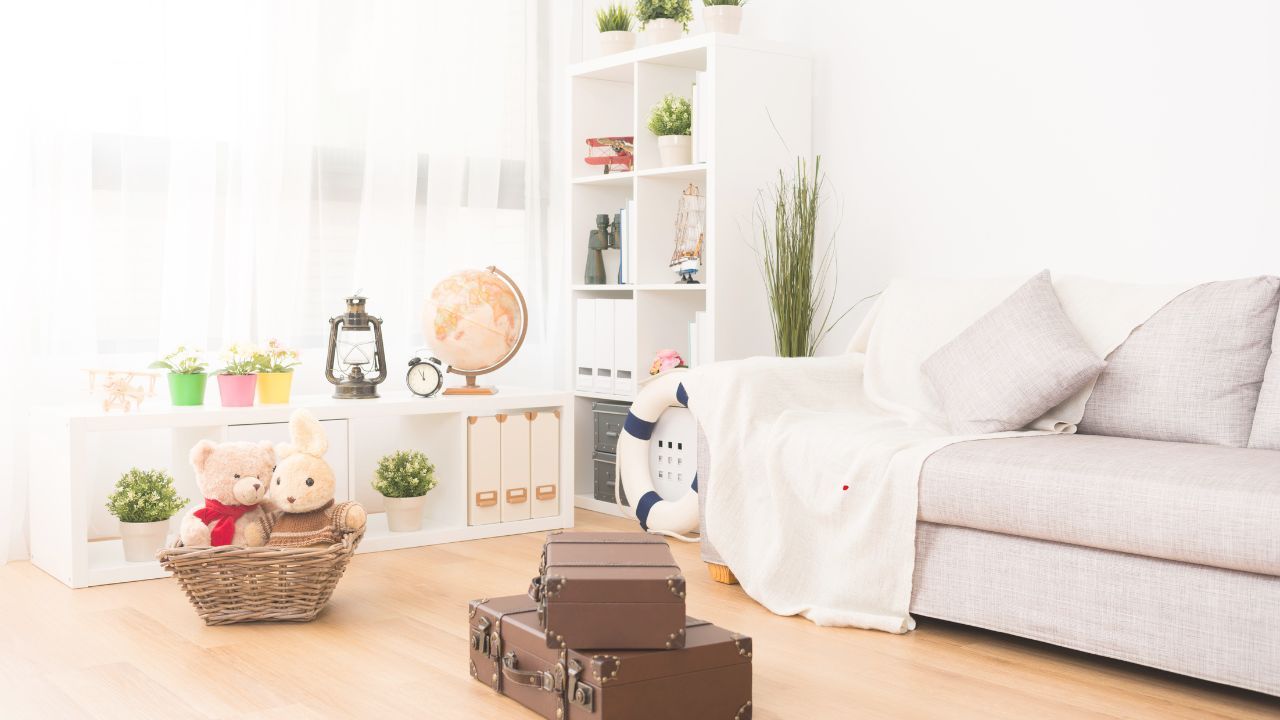
Are Hardwood Floors a Good Choice for Playrooms? Pros and Cons
If you’re designing a playroom, flooring is one of the biggest decisions you’ll make. It needs to look good, hold up to spills and rough play, and be easy to clean. Hardwood floors might seem like an odd choice at first, but many parents love them for their timeless look and durability. Still, they come with trade-offs.
In this post, you’ll learn the pros and cons of using hardwood floors in playrooms, plus what to consider before Googling “flooring contractor near me” to get started.
The Beauty of Hardwood in a Playroom
There’s no denying it, hardwood floors elevate any room. In a playroom, they create a warm, welcoming space that blends seamlessly with the rest of your home’s style. Whether you have rich oak or sleek maple, hardwood adds a natural charm that feels both classic and modern.
A polished wood floor also makes it easy to clean up the daily messes kids create. Crumbs, crayons, and spilled juice are no match for a quick sweep and mop. Unlike carpets, hardwood doesn’t trap allergens, making it ideal for families concerned about indoor air quality.
The Pros: Why Hardwood Floors Can Work
Hardwood floors offer several practical benefits that make them a viable option for playrooms when properly maintained:
Durability: Quality hardwood can last decades, even with active kids. Add a strong finish, and it can resist scratches and scuffs surprisingly well.
Easy Maintenance: Spills and dirt can be cleaned easily with a damp cloth. No need for deep carpet cleaning or stain removers.
Allergy-Friendly: Hardwood doesn’t harbor dust mites or pet dander, which is a big win for allergy sufferers.
Aesthetic Value: Playrooms don’t have to look temporary or mismatched. Hardwood gives them a grown-up touch that fits with the rest of the house.
Refinishing Options: Unlike tile or laminate, hardwood can be sanded and refinished to look brand-new once kids outgrow their messier years.
Many homeowners partner with companies like D&T Hardwood Floors for expert installation and finishing that keeps the wood durable and beautiful over time.
The Cons: Where Hardwood Falls Short
Despite its appeal, hardwood isn’t perfect for every playroom. A few drawbacks are worth considering:
Noise: Wood floors can amplify sound. Add kids, toys, and running footsteps, and you’ve got quite the echo. Rugs can help, but they only go so far.
Susceptible to Moisture: Spilled drinks, water toys, or humid environments can cause warping or staining if not cleaned immediately.
Scratches and Dents: Even the toughest finishes can wear over time, especially in high-traffic play areas.
Hard Surface: Falling on hardwood isn’t pleasant. It’s not as forgiving as carpet or foam tiles, so adding area rugs or mats is essential for safety.
These cons don’t necessarily rule hardwood out, they just mean you’ll need to take extra steps to protect your floors and your kids.
Case Study: Making It Work with the Right Team
One local family in Portland wanted a cohesive, elegant look throughout their home, including the playroom. They chose engineered hardwood for its stability and paired it with large area rugs to cushion the space. By sealing the floor with a durable, kid-safe finish and using furniture pads, they’ve kept it looking brand-new for three years straight. Their decision paid off because they worked with a professional flooring team who understood how to balance beauty with practicality.
Final Thoughts
Hardwood floors in playrooms can absolutely work, if you plan wisely. They bring lasting style, are easy to clean, and can handle years of activity when properly maintained. Just make sure you’re ready for a bit of extra care and invest in protective rugs or mats to keep them in top shape.
If you’re still on the fence, talk to a trusted flooring specialist who can walk you through the best options for your home and lifestyle.
Thinking about hardwood for your playroom? Contact a trusted professional today to explore the best finishes, wood types, and maintenance plans for your family’s needs.