
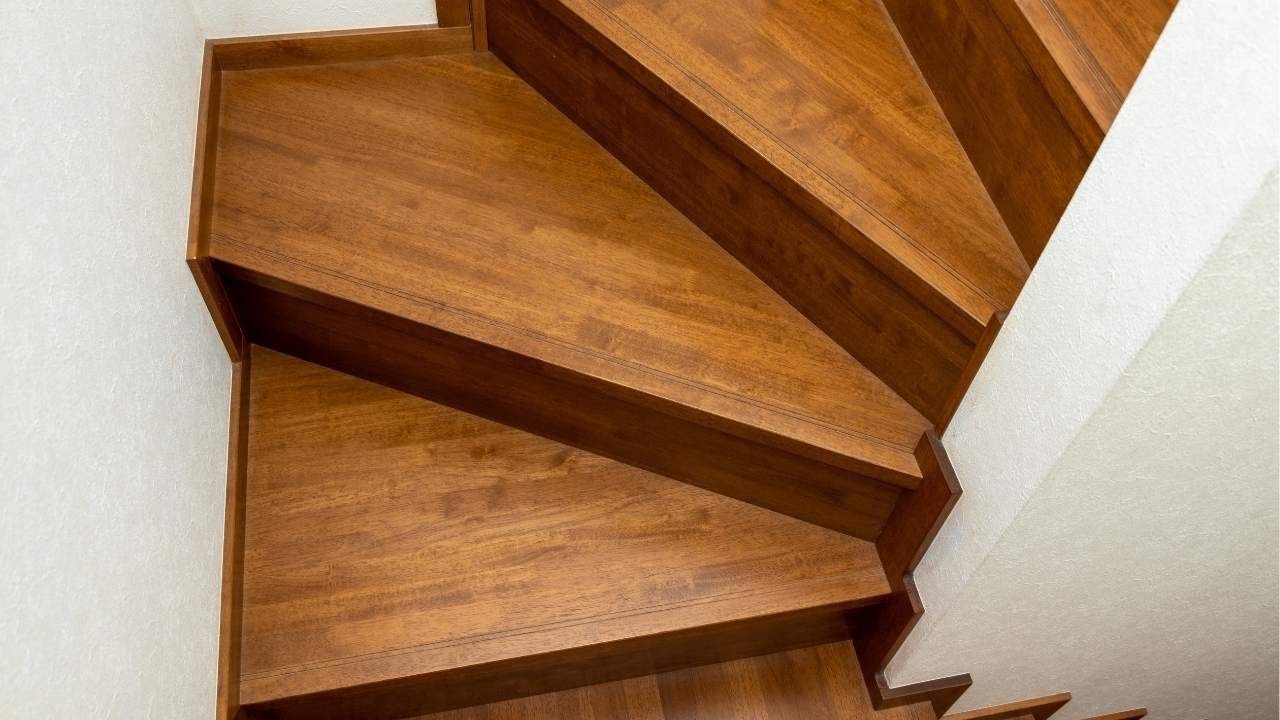
How to Choose the Right Hardwood Finish for Stairs
Stairs take more abuse than almost any other part of your home. Every step, every scuff, every spill; it all adds up fast. That’s why choosing the right hardwood finish isn’t just about looks, it’s about durability, safety, and long-term value.
In this guide, you’ll learn how to pick the best hardwood finish for your stairs, what factors actually matter, and how to avoid costly mistakes. Whether you’re upgrading or starting fresh, this will help you make a smart, lasting decision.
Understand the Different Types of Finishes
Some hardwood finishes look amazing but wear out quickly, while others are built to handle heavy traffic.
Here are the main types you’ll come across:
Oil-based polyurethane
Extremely durable
Rich, warm tone
Longer drying time
Water-based polyurethane
Dries faster
Clear, non-yellowing finish
Slightly less durable than oil-based
Hardwax oil
Natural, matte appearance
Easier spot repairs
Requires more maintenance
Aluminum oxide finish
Factory-applied
Highly resistant to wear
Not ideal for on-site refinishing
If you’re working with a Portland Maine hardwood flooring contractor, they’ll often recommend polyurethane finishes for stairs because of their durability and low maintenance.
Prioritize Safety and Slip Resistance
Looks matter, but safety matters more, especially on stairs.
A glossy finish might look elegant, but it can turn your staircase into a slipping hazard. That’s a bad trade-off.
Here’s what to aim for:
Choose satin or matte finishes for better grip
Consider anti-slip additives mixed into the finish
Avoid high-gloss unless safety measures are added
When it comes to stairs, a slightly duller finish is actually the smarter, more practical choice.
Match the Finish to Your Lifestyle
Your daily routine should dictate your finish, not trends.
Ask yourself:
Do you have kids running up and down the stairs?
Pets with claws constantly scratching surfaces?
High foot traffic from guests or tenants?
If yes, go for durability over aesthetics.
Best choices for busy households:
Oil-based polyurethane (maximum toughness)
Satin sheen (hides scratches better)
For lower-traffic homes, you can afford to prioritize appearance with finishes like hardwax oil or a smoother water-based option.
Consider Maintenance and Longevity
Some finishes look great on day one but become a headache over time. Others are built to last with minimal upkeep.
Here’s the reality:
Low-maintenance options:
Polyurethane finishes (easy cleaning, long lifespan)
Higher-maintenance options:
Hardwax oil (needs periodic reapplication)
If you’re planning hardwood refinishing in the future, keep in mind that some finishes are easier to work with than others. A finish that’s easy to repair can save you money down the line.
Professional flooring companies often recommend finishes that balance durability with ease of maintenance, because homeowners rarely want to deal with constant upkeep.
Don’t Ignore Color and Aesthetic Impact
Your finish doesn’t just protect, it defines the look of your staircase.
Key considerations:
Oil-based finishes add warmth and deepen wood tones
Water-based finishes keep colors light and natural
Matte finishes create a modern, understated look
Satin finishes offer a clean, versatile appearance
Make sure your stair finish complements your flooring, walls, and overall interior design. A mismatch can make even high-quality materials look off.
Quick Case Study: A Smart Upgrade That Paid Off
A homeowner with a busy household, two kids and a large dog, was struggling with worn-out, glossy stairs that showed every scratch. Instead of refinishing with the same type, they switched to a satin oil-based polyurethane.
The result? Scratches became far less visible, the stairs were safer to use, and maintenance dropped significantly. Three years later, the finish still holds up with minimal touch-ups. The key wasn’t just refinishing, it was choosing the right finish for their lifestyle.
Final Thoughts: Choose Smart, Not Just Stylish
The best hardwood finish for stairs isn’t the shiniest or trendiest, it’s the one that holds up, keeps your family safe, and fits your daily life.
Focus on durability, safety, and maintenance first. The aesthetics will follow naturally.
Next step: If you’re unsure what works best for your home, talk to a flooring professional and get a recommendation tailored to your space.