
How Do You Know When Hardwood Floors Need Refinishing?
Hardwood floors can last for decades, but the finish protecting them will not. Daily foot traffic, pets, furniture, moisture, dirt, and sunlight slowly wear away the protective surface until the wood underneath becomes vulnerable.
Homeowners looking for flooring services in Portland ME often wonder whether dull or scratched floors simply need cleaning or whether it is time for hardwood refinishing. In more serious cases, hardwood restoration experts may be needed to correct deeper wear, staining, or damage before the floor deteriorates further.
The good news is that hardwood floors usually give you plenty of warning before they need major attention. Knowing what to look for can help you restore their appearance while protecting the wood from permanent damage.
1. Your Floors Look Dull Even After Cleaning
One of the earliest signs of a worn hardwood finish is a floor that never seems to look clean.
You may mop, vacuum, or use a wood-safe cleaner, yet the floor still looks faded or lifeless. That often happens because the protective finish has been worn down rather than because the surface is dirty.
A healthy finish reflects light fairly evenly. As it wears, high-traffic areas often become noticeably duller than spaces beneath furniture or along walls.
Pay particular attention to:
Hallways
Entryways
Kitchen pathways
Areas around sofas and dining tables
Spaces where pets frequently walk
A little loss of shine does not automatically mean the entire floor needs to be sanded. Sometimes a professional screening and recoating can refresh a floor whose finish is worn but whose wood is still in good condition.
Waiting too long, however, allows traffic to reach the bare wood.
That is when a cosmetic issue starts becoming a structural one.
2. Scratches, Gray Areas, and Bare Wood Are Appearing
Minor surface scratches are normal on hardwood flooring. Deep scratches are different.
Look closely at scratches in bright natural light. If they appear only within the clear topcoat, your floor may still have adequate protection. When scratches expose lighter or darker raw wood underneath, the finish has been penetrated.
Another major warning sign is gray discoloration.
Gray patches frequently develop where moisture reaches unprotected wood. You may see them around exterior doors, sinks, pet water bowls, or heavily traveled areas where the finish has worn away.
Ignoring these areas can lead to:
Dark stains
Splintering
Water absorption
Uneven wear
Permanent wood damage
You may also notice patches that feel rougher than the rest of the floor. Run your hand gently across the surface. If one area feels dry or exposed compared with surrounding boards, the protective coating may already be gone.
Refinishing at this stage can often remove surface discoloration and restore a consistent appearance before more expensive repairs become necessary.
3. Water No Longer Beads on the Surface
There is a simple way to get an idea of how well your finish is protecting the floor.
Place a few drops of water on an inconspicuous area and watch what happens.
On a well-protected hardwood floor, water should generally remain on the surface for a while rather than immediately soaking into the wood. If the droplets quickly disappear or cause the wood to darken, the protective layer may be significantly worn.
Do not pour large amounts of water onto the floor for testing. A few drops are enough.
Moisture resistance matters because hardwood naturally expands and contracts as it absorbs and releases moisture. Once its protective finish deteriorates, spills and humidity can penetrate the boards more easily.
That may contribute to:
Cupping
Warping
Staining
Raised board edges
Gaps between boards
Portland's seasonal climate can make moisture protection particularly important. Snow, rain, wet shoes, and changing indoor humidity levels can all put added stress on hardwood surfaces. Homes closer to the water in Cape Elizabeth and South Portland often see this moisture stress even sooner, since coastal humidity swings add to the seasonal changes every Maine floor already deals with.
Refinishing restores more than shine. It renews the protective barrier separating your wood from everyday moisture.
4. Know When Refinishing Is and Isn't the Answer
Not every damaged hardwood floor needs complete replacement.
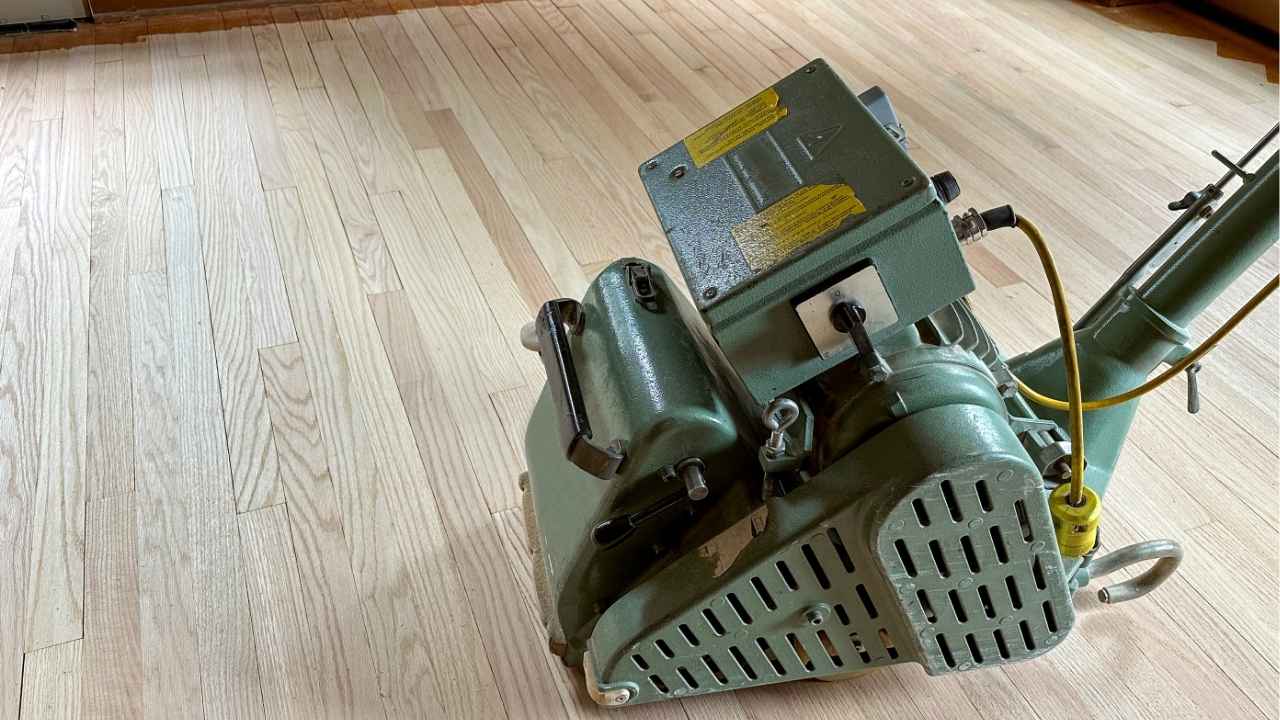
In many cases, sanding away the worn finish and applying new stain and protective coats can dramatically improve floors that look decades old.
Refinishing may be appropriate when you see widespread:
Scratching
Finish wear
Fading
Minor staining
Uneven coloration
Small areas of exposed wood
However, refinishing cannot solve every problem.
Boards with severe rot, deep pet urine damage, major water damage, extensive warping, or structural deterioration may need individual replacement before the surrounding floor can be refinished.
The number of times a floor has previously been sanded also matters. Solid hardwood can usually tolerate multiple refinishing cycles, while engineered wood has a thinner wear layer. Sanding engineered flooring too aggressively can expose the plywood core.
That is why identifying the floor type and evaluating its remaining thickness should come before sanding begins.
A Quick Homeowner Case Study
A homeowner noticed that the hardwood running from the entryway into the living room looked noticeably darker and duller than the flooring beneath the furniture. Cleaning made little difference, and several scratches near the doorway had begun exposing bare wood. Rather than waiting until boards needed replacement, the homeowner scheduled a professional evaluation. The floor still had plenty of usable wood beneath the worn surface, so it could be sanded, prepared, and finished instead of replaced. After refinishing, the color looked consistent again and the new protective coating gave the busiest areas renewed resistance to dirt and moisture. Addressing the problem early helped preserve the original flooring and avoided a more extensive renovation.
How Often Should Hardwood Floors Be Refinished?
There is no universal refinishing schedule.
Some floors may go many years before needing attention, while others experience visible wear much sooner. The actual timing depends on the amount of traffic and how the floor is used.
Homes with children, large dogs, frequent entertaining, or heavy foot traffic typically wear through finishes faster.
The type and quality of the existing finish also matter.
Rather than refinishing according to a calendar, monitor the condition of the surface. A floor that still has a strong protective coating does not need unnecessary sanding simply because a certain number of years have passed.
You can also extend the life of the finish by:
Vacuuming dirt and grit regularly
Using felt pads beneath furniture
Cleaning spills promptly
Avoiding harsh chemical cleaners
Placing mats near exterior entrances
Maintaining reasonable indoor humidity
Trimming pets' nails
Small habits can add years to the life of a hardwood finish.
Refinish Before Wear Becomes Permanent Damage
Hardwood flooring does not suddenly fail overnight. Most floors show gradual warning signs: fading, scratches, dull patches, water absorption, exposed wood, and uneven wear.
The key is acting while the damage is still largely confined to the finish.
Once traffic and moisture begin affecting bare wood, restoration becomes more complicated and potentially more expensive. Early refinishing can preserve existing boards, improve the appearance of the entire room, and restore the protective surface your floors need.
If your hardwood floors in Portland, South Portland, or Cape Elizabeth are showing obvious wear, schedule a professional floor evaluation now by calling (207) 632-2176.