
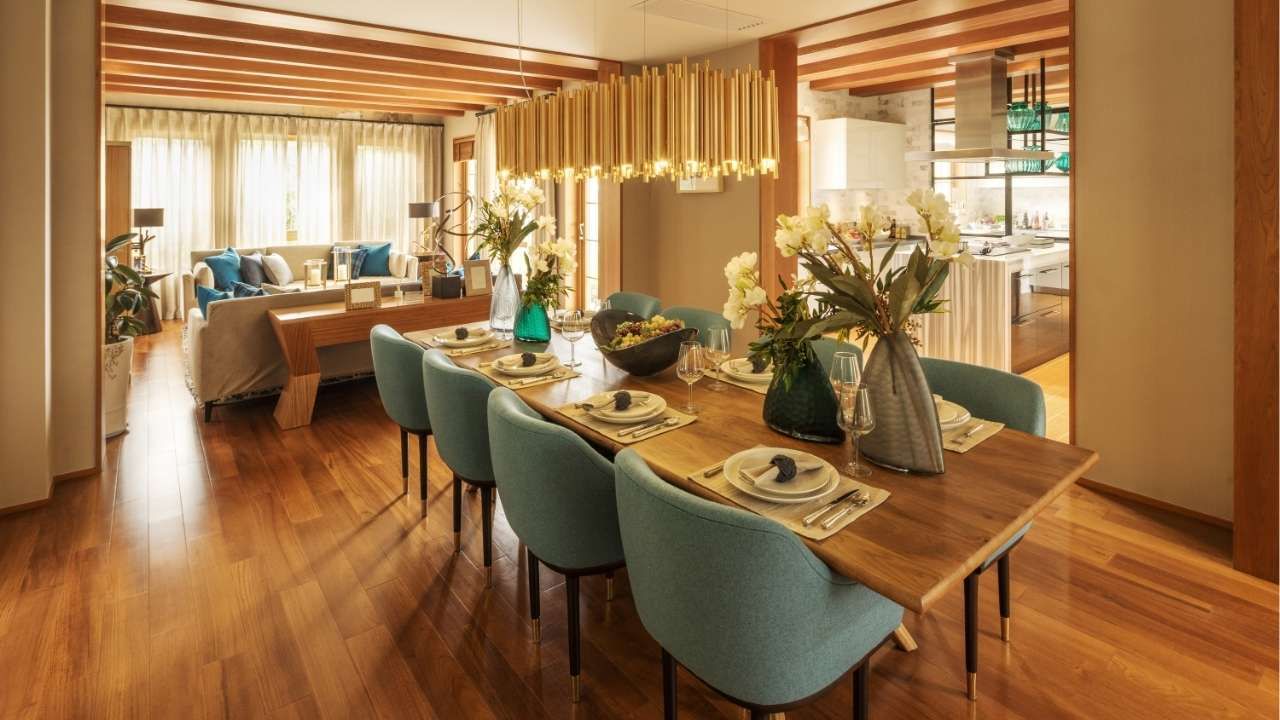
Light vs. Dark Hardwood Floors for Dining Rooms: What Works Best?
Choosing the right hardwood floor for your dining room isn’t just about color, it’s about how the space feels every time you walk in. The wrong choice can make the room look smaller, colder, or harder to maintain than you expected. The right one? It ties everything together effortlessly.
In this guide, you’ll learn how light and dark hardwood floors compare, what works best for different dining room styles, and how to make a smart decision that holds up over time.
Light Hardwood Floors: Bright, Open, and Timeless
Light hardwood floors are a safe bet if you want your dining room to feel bigger and more inviting. They reflect more light, which makes even smaller spaces look airy and clean.
Here’s why many homeowners lean toward lighter tones:
They hide dust, scratches, and everyday wear better
They create a relaxed, modern, or coastal vibe
They pair easily with most furniture and wall colors
If you’re searching for a “flooring contractor near me,” you’ll probably hear this recommendation often for homes with limited natural light.
Light floors also give you flexibility. You can switch up your décor over time without worrying about clashing tones. However, they can sometimes lack the dramatic “wow” factor that darker floors naturally bring.
Dark Hardwood Floors: Bold, Elegant, and High-Impact
Dark hardwood floors instantly elevate a dining room. They add depth, contrast, and a sense of luxury that’s hard to ignore.
Here’s what makes dark floors appealing:
They create a formal, upscale atmosphere
They highlight lighter furniture and décor beautifully
They add richness and visual weight to the space
That said, dark floors demand more upkeep. Dust, crumbs, and scratches show up faster, which can be frustrating in a high-traffic area like a dining room.
If you’re considering hardwood staining to achieve a darker finish, make sure you’re ready for the maintenance that comes with it. It’s a trade-off: style versus practicality.
How to Choose What Works for Your Dining Room
There’s no universal “best” option, it depends on your space, lifestyle, and design goals. The key is matching the floor to how you actually use your dining room.
Ask yourself:
How much natural light does the room get?
Low light → go lighter
Plenty of light → either works
What’s your style?
Casual, modern → light floors
Formal, classic → dark floors
How much maintenance can you tolerate?
Low effort → light floors
Willing to clean often → dark floors
A good flooring specialist won’t just push trends, they’ll look at your layout, lighting, and furniture before recommending a direction.
Case Study: A Real Dining Room Transformation
A homeowner in a suburban U.S. home had a small dining room with limited windows and dark furniture. Originally, the space had deep espresso floors that made the room feel cramped and heavy.
After switching to a light oak finish, everything changed. The room instantly looked larger, brighter, and more welcoming. The same furniture suddenly stood out instead of blending into the background. Maintenance also became easier, especially with kids constantly using the space.
The lesson? Sometimes the “fancier” option isn’t the better one, it’s about balance.
The Bottom Line: Balance Style with Function
Light floors give you flexibility, brightness, and easy maintenance. Dark floors deliver drama, elegance, and strong visual contrast. Neither is wrong, but one will fit your space better than the other.
If you’re still unsure, don’t guess. Talk to a professional, compare samples in your actual dining room lighting, and think long-term.
Ready to upgrade your dining room flooring? Get in touch with a trusted expert today and choose a finish you’ll love every time you sit down at the table.