
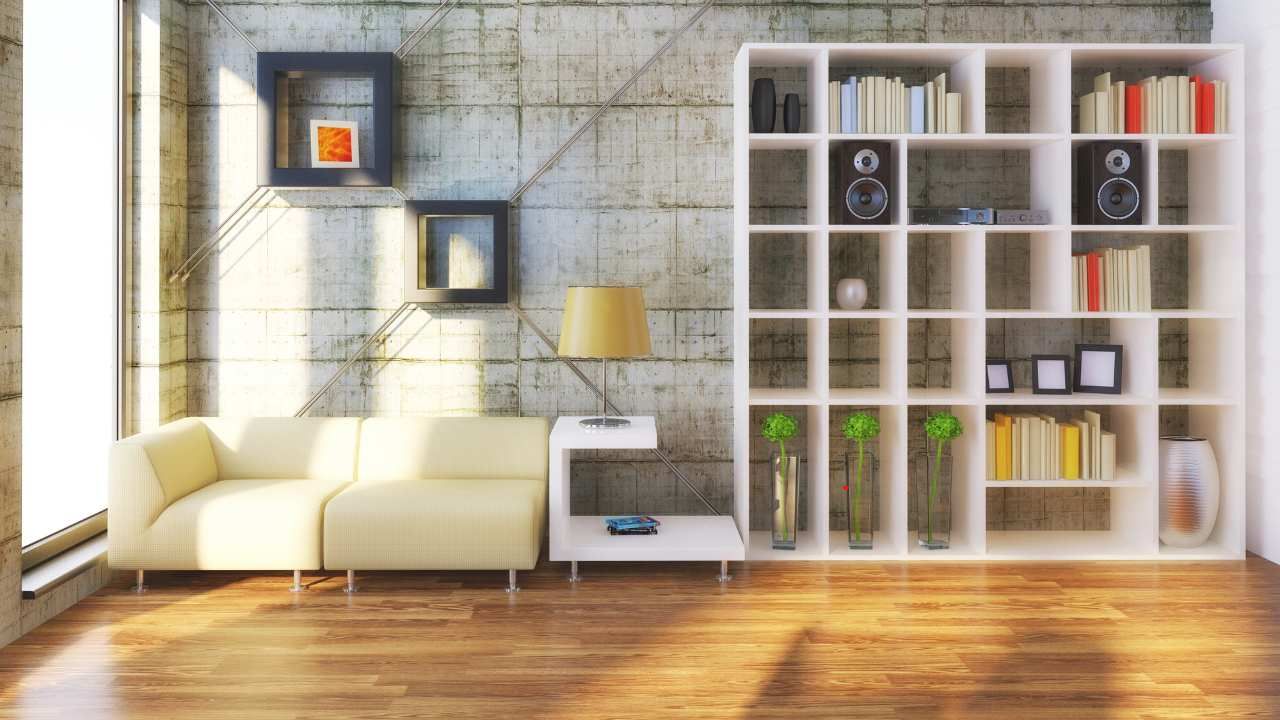
How to Match Bookshelves and Desks with Hardwood Floors
A beautiful hardwood floor sets the tone for an entire room, but the wrong furniture can quietly ruin it. Bookshelves and desks don’t just fill space; they either work with your floors or fight them. When the pairing is right, the room feels intentional, calm, and expensive in all the right ways.
In this guide, you’ll learn how to match desks and bookshelves with hardwood floors without overthinking it. We’ll cover wood tones, contrast, finishes, and layout choices that actually work in real homes, not just magazines.
Start With the Floor, Not the Furniture
Hardwood floors are permanent. Desks and bookshelves are not. That means your floor should always be the reference point for every decision that follows. Early in the process, many homeowners searching for a “flooring contractor near me” realize that once the floor is installed, everything else must adapt to it, not the other way around.
We see this decision play out often in homes across Cape Elizabeth and South Portland, where sunrooms and home offices are some of the most requested rooms for a floor-first design approach.
Begin by identifying your floor’s dominant tone:
Warm floors (red oak, cherry, hickory) lean yellow, orange, or red
Cool floors (gray stains, ash, maple) lean gray or muted brown
Neutral floors (natural oak, walnut) sit comfortably in the middle
This single step prevents most design mistakes before they happen.
Match Undertones, Not Exact Colors
Trying to match furniture wood exactly to your floor is a rookie mistake. Perfect matches often look flat and dated. Instead, aim for compatible undertones with a slight variation in depth.
For example:
Light oak floors pair well with medium walnut desks
Dark espresso floors look sharp with lighter, warm-toned shelves
Gray-washed floors benefit from natural or lightly stained woods
This approach creates depth without visual noise. It’s the same principle professional installers at D&T Hardwood Floors often explain to clients who want their space to feel layered rather than showroom-stiff.
Use Contrast to Define the Workspace
A desk should stand out just enough to feel purposeful. If your floor is light, a darker desk anchors the room. If your floor is dark, a lighter desk keeps the space from feeling heavy.
Bookshelves are more flexible. You can:
Match them closer to the wall color for a built-in feel
Go darker than the floor for drama
Use mixed materials like wood and metal for balance
The key is intention. Random contrast looks chaotic. Planned contrast looks polished.
Pay Attention to Finish and Grain
Finish matters as much as color. High-gloss furniture on matte floors can clash. Heavy, rustic grain next to sleek, modern planks can feel off.
General rules that work:
Matte or satin floors → matte or satin furniture
Smooth, modern floors → tighter wood grain furniture
Rustic floors → visible grain and texture
This is where experienced flooring experts tend to think differently than DIY decorators. They look at how light moves across surfaces, not just color swatches.
A Quick Case Study: Small Home Office, Big Difference
A homeowner in Cape Elizabeth with medium-toned oak floors struggled to make their office feel cohesive. Their original setup included a reddish desk and jet-black shelves, which clashed badly. The fix was simple: a neutral walnut desk with a satin finish and open shelves two shades lighter than the floor. The result? The room instantly felt calmer, brighter, and more intentional, without changing the floor or layout. Sometimes alignment beats replacement.
Final Takeaway: Cohesion Beats Perfection
Matching bookshelves and desks to hardwood floors isn’t about rules, it’s about relationships. Let the floor lead, match undertones instead of colors, and use contrast with purpose. When everything speaks the same visual language, the room just works.
If you're planning flooring updates in Portland, Cape Elizabeth, or South Portland, get expert input early from D&T Hardwood Floors. It saves money, time, and design regret later. Call (207) 632-2176 or contact us today.