
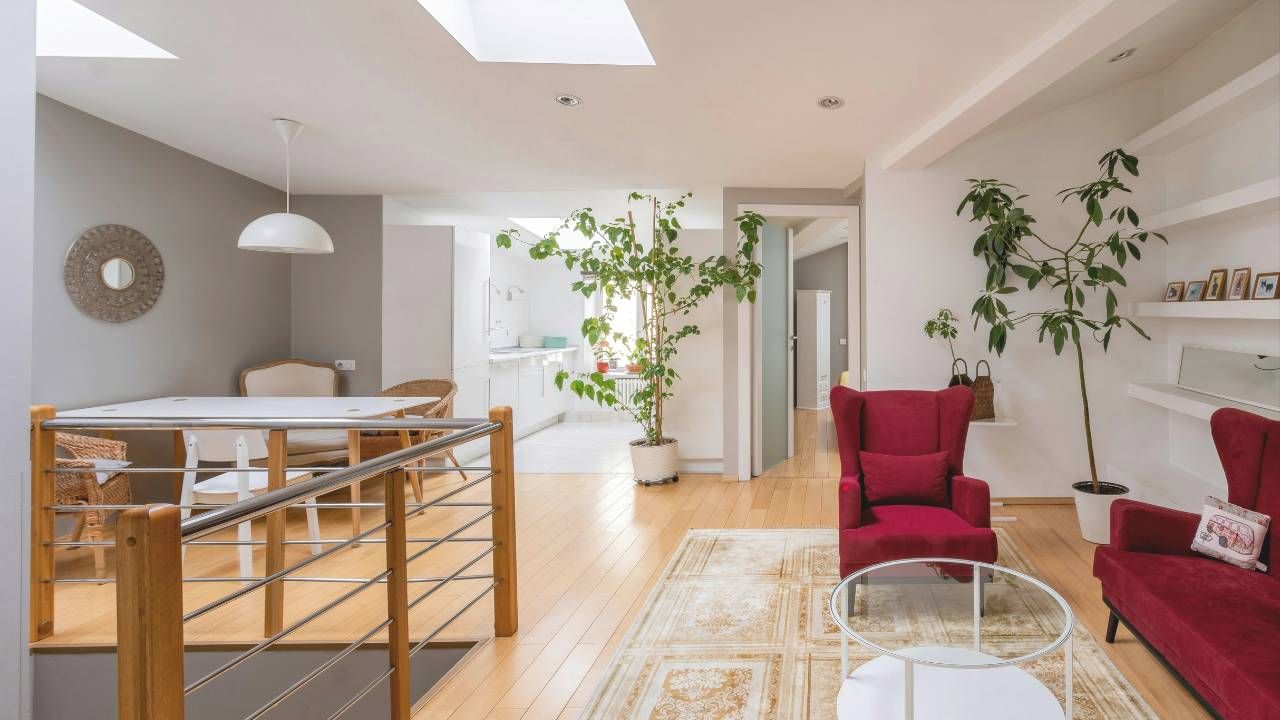
Open Concept Homes: Creating Flow with Hardwood Floors
Open concept homes look effortless when they’re done right and awkward when they’re not. The difference usually comes down to the floor. Hardwood flooring isn’t just a surface you walk on; it’s the visual thread that either pulls an open layout together or breaks it apart.
In this article, you’ll learn how hardwood floors create flow in open concept homes, what design mistakes to avoid, and how to make smart choices that age well instead of chasing trends.
Why Hardwood Floors Define Open Concept Flow
In open layouts, walls disappear and sightlines stretch. That means the floor becomes the largest uninterrupted design element in the home. When installed correctly by a Portland Maine hardwood flooring contractor, hardwood creates visual continuity from room to room without relying on rugs or furniture to hide transitions.
Hardwood floors work because they:
Eliminate visual stops caused by mixed materials
Guide the eye naturally across spaces
Make rooms feel larger and more intentional
Using one consistent wood tone across living, dining, and kitchen areas creates a seamless experience. This is where working with D&T Hardwood Floors matters, they understand how grain direction, plank width, and finish influence how space is perceived.
Choosing the Right Hardwood for Open Layouts
Not all hardwoods perform equally in open concept homes. Busy grain patterns and heavy color variation can distract the eye, making the space feel chaotic rather than connected.
Smarter choices include:
Wide planks to reduce visual clutter
Mid-tone finishes that balance light and warmth
Matte or satin sheens that minimize glare
Plank direction also matters more than most homeowners realize. Running boards parallel to the longest sightline helps guide movement naturally through the home. A skilled flooring pro will factor this in before the first plank is laid, not after the mistake is visible.
Avoiding Common Open Concept Flooring Mistakes
One of the biggest errors homeowners make is mixing flooring styles to “define” spaces. In open concepts, this backfires. Abrupt material changes break flow and shrink the space visually.
Avoid these mistakes:
Switching flooring between kitchen and living areas
Using overly dark floors in low-light spaces
Over-accessorizing with competing rugs and patterns
Instead, let the hardwood do the heavy lifting. Subtle area rugs can add comfort without interrupting the floor’s visual continuity.
Short Case Study: From Disconnected to Cohesive
A coastal Maine homeowner recently remodeled a 1,900-square-foot open concept home with mixed tile, laminate, and carpet. The space felt chopped up and smaller than it was. The solution was replacing all flooring with wide-plank white oak in a consistent satin finish.
Once installed, the home immediately felt larger and calmer. Natural light reflected evenly across rooms, and furniture placement became easier. The homeowner reported fewer rugs, less visual clutter, and a stronger sense of flow, proof that one smart flooring decision can transform an entire layout.
Hardwood Floors That Age Well
Trends fade. Good flooring decisions don’t. Open concept homes benefit most from timeless hardwood choices that won’t feel dated in five years.
Focus on:
Neutral tones over trendy stains
Quality installation over flashy patterns
Long-term durability, not short-term aesthetics
When hardwood floors are planned with intention, they don’t just connect rooms, they elevate the entire home.
If you’re planning an open concept upgrade, start with the floor. Get expert guidance before design decisions lock you in. The right hardwood choice pays off every single day you live with it. Contact us today.