The Pros and Cons of Engineered Hardwood Flooring
If you’ve been eyeing the beauty of hardwood floors but feel unsure about the cost or maintenance, engineered hardwood flooring might just be your sweet spot. It brings together the classic appeal of natural wood with practical benefits that fit modern lifestyles.
What Is Engineered Hardwood Flooring?
Engineered hardwood is made up of a real hardwood veneer on top, bonded to multiple layers of plywood or fiberboard. This structure gives it greater stability than solid hardwood, making it less likely to expand or contract with changes in humidity. For a coastal city like Portland, where seasons bring noticeable shifts in moisture levels, that’s a big advantage.
The Pros of Engineered Hardwood
Let’s start with the good stuff, here’s why engineered hardwood might win you over:
1. Real Wood Look and Feel
Despite being a layered product, the top veneer is genuine hardwood. This means you still get that rich, organic appearance and texture that makes hardwood so popular.
2. Better Moisture Resistance
Engineered hardwood is more stable than solid wood, which means it holds up better in areas prone to humidity, like basements or kitchens. You get the aesthetic of hardwood without the swelling and warping concerns.
3. Easier Installation Options
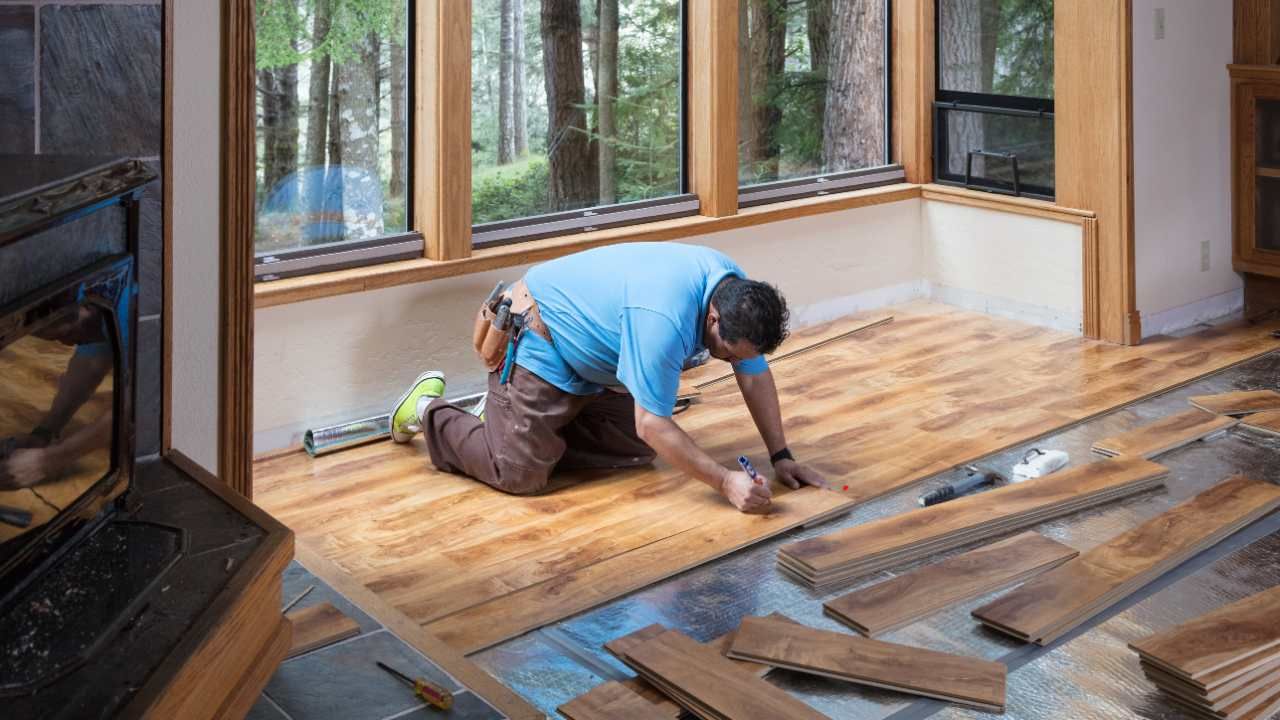
It can be glued, stapled, or even floated, giving your flooring contractor more flexibility. That also means potentially lower installation costs and quicker turnaround times.
4. Eco-Friendly Choices
Because the core layers are often made from recycled or fast-growing woods, engineered hardwood tends to use fewer slow-growth hardwoods, making it a more sustainable option.
5. Budget-Friendly Alternatives
Engineered hardwood typically costs less than solid wood, both in materials and labor. That makes it an attractive option for homeowners who want the hardwood look without the premium price tag.
The Cons of Engineered Hardwood
Of course, no material is perfect. Here are a few drawbacks to be aware of:
1. Limited Refinishing
While you can refinish engineered hardwood, the number of times depends on the thickness of the top veneer. Thinner versions might only allow one sanding before you risk damaging the core.
2. Not 100% Waterproof
It’s more water-resistant than solid hardwood, but engineered flooring still isn’t waterproof. Spills should be cleaned up promptly to prevent damage.
3. Durability Depends on Quality
There’s a wide range of engineered flooring on the market. Lower-end products may scratch or wear faster, so it’s worth investing in high-quality materials and professional installation.
4. Sound and Feel Differences
Some homeowners notice a difference in the sound or "give" underfoot, especially with floating floors. It’s not a dealbreaker for most, but worth testing in person if possible.
A Quick Case Study: The Robinson Remodel in Portland
When the Robinson family decided to renovate their West End home, they wanted flooring that could stand up to kids, dogs, and damp winter boots. After researching options, they partnered with D&T Hardwood Floors for a full-house install of wide-plank engineered oak. The result? A warm, rustic finish that looked high-end but didn’t break the bank. More importantly, their new floors held up beautifully through the rainy season; no warping, no stress.
Final Thoughts
Engineered hardwood flooring is a smart middle ground between beauty and practicality. If you're looking to upgrade your floors with something timeless yet durable, it’s well worth considering, especially in a climate like Portland’s.
When choosing a product and hardwood floor installer, prioritize quality and experience. Searching for a reputable “flooring contractor near me” can help you avoid common pitfalls and ensure your new floors last for years to come.
For expert installation and a wide range of stylish options, Portland residents turn to D&T Hardwood Floors, a trusted name in hardwood floor services. Get in touch with us today!