
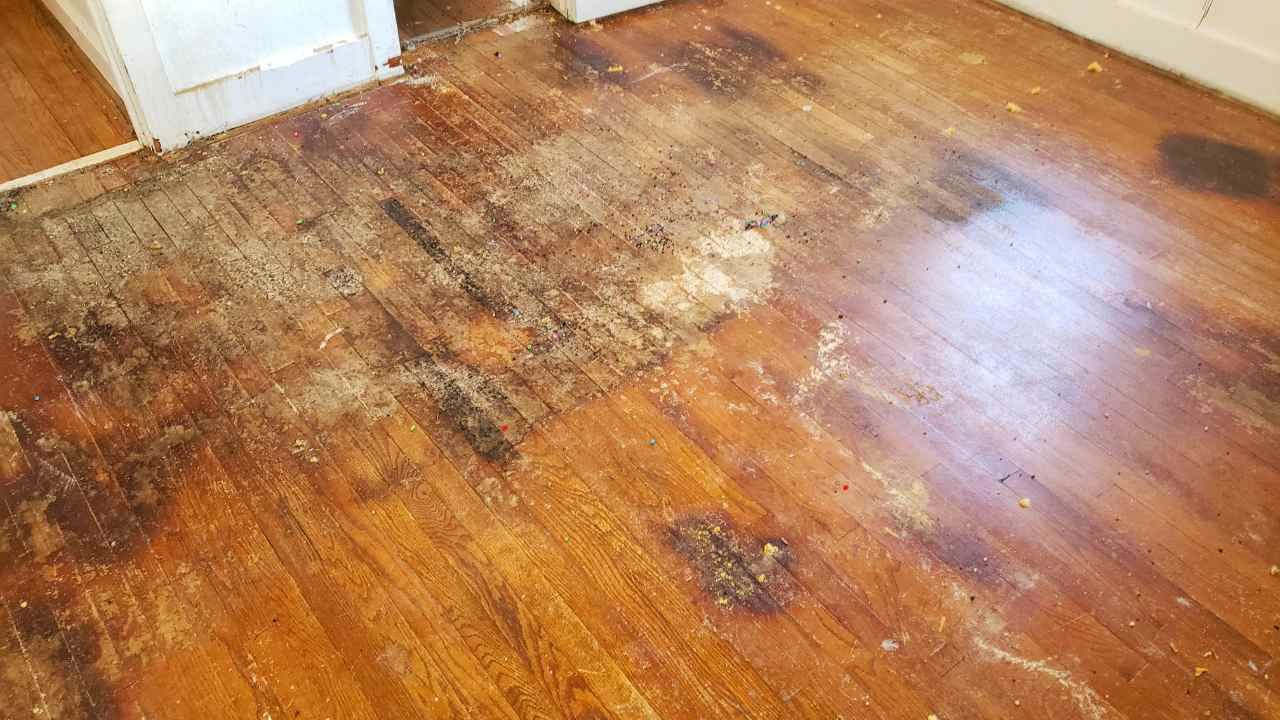
Water Damage on Hardwood? Here's How to Fix and Restore Your Floors
Water and wood don’t mix. If you’ve ever walked into a room and noticed cupping, buckling, or dark stains on your hardwood floor, you know the panic that follows. Whether it’s a small leak, an overflowing sink, or a full-blown flood, water damage can wreak havoc on your beautiful hardwood flooring.
But here’s the good news: your floors might not be beyond saving. With the right approach, some time, and professional help, you can restore them to their former glory. In this post, we’ll walk you through how to assess the damage, what steps to take for repair, and when it’s time to call in the pros.
Step 1: Act Fast to Minimize Damage
Time is your biggest enemy when it comes to water-damaged hardwood. The longer water sits, the more it seeps into the wood, causing it to swell, warp, and discolor.
Here’s what you should do immediately:
Stop the source of the water if it’s still leaking.
Remove excess water using a wet/dry vacuum or towels.
Increase airflow with fans and open windows.
Use a dehumidifier to help draw moisture from the air and floors.
Avoid applying heat directly to the floor. It might speed up drying, but it can also cause cracking or further warping.
Step 2: Assess the Damage
Once everything is dry, which may take several days, check the extent of the damage. Common signs of water-damaged hardwood include:
Cupping: edges of the boards curl upward.
Crowning: center of the board rises above the edges.
Buckling: boards pull away from the subfloor.
Discoloration: dark spots could indicate mold or mildew.
If the damage is light, the floor might settle back into place with time. But significant cupping or buckling usually means repairs or even replacements are needed.
Step 3: Sanding and Refinishing
If the boards are still structurally sound but show signs of cupping or surface damage, sanding and hardwood refinishing might be your best bet.
Here’s what the process usually involves:
Sanding down the warped areas until the surface is level again.
Repairing minor cracks or gaps with wood filler.
Applying a new stain or finish to restore the color and protect the surface.
Just make sure the wood is completely dry before sanding, moisture can gum up the sander and ruin the floor further.
Step 4: Replacing Damaged Boards
In more severe cases, some boards may need to be removed and replaced entirely. This step is especially common if:
The boards are moldy or rotting.
There’s separation from the subfloor.
The floor feels soft or spongy when you walk on it.
A flooring professional can match new planks to your existing floor for a seamless repair. If you’re not sure whether to sand or replace, a quick consultation can point you in the right direction.
Case Study: The Kitchen Leak in Portland, ME
Mrs. Evans in Portland, ME, returned home from vacation to discover a significant water leak under her kitchen sink, affecting her beautiful oak hardwood floors. Panic set in as she noticed cupping and dark staining spreading across the planks. Following the initial steps, she quickly stopped the leak and mopped up the excess water, using fans and a dehumidifier for several days. However, the cupping remained significant.
Unsure how to proceed, she contacted D&T Hardwood Floors. Their team assessed the damage, determining that while some boards could be salvaged, several near the leak were too warped and stained for sanding. D&T Hardwood Floors carefully replaced the damaged planks, seamlessly matching the existing wood, and then professionally sanded and refinished the entire kitchen floor.
The result was a complete restoration, making it appear as if the water damage had never occurred, highlighting the expertise needed for effective hardwood restoration.
When to Call in the Experts
If you’re feeling overwhelmed or the damage is beyond a simple fix, it’s time to bring in professionals. A reliable flooring services company in Portland ME, like D&T Hardwood Floors, can assess your specific situation and offer tailored services, from drying and sanding to full floor restoration.
They’ll not only help you get your floors looking great again but also ensure the repairs are done safely and correctly to prevent future issues.
Don’t Wait, Restore Your Hardwood Floors Today
Water damage may feel like the end of the world for your hardwood, but it doesn’t have to be. With quick action and the right help, you can bring your floors back to life.
Ready to breathe new life into your hardwood floors? Contact a trusted local expert and take the first step toward restoration today.